Chobe National Park, located in northern Botswana, is one of Africa’s most spectacular wildlife destinations. Covering over 11,700 square kilometers, it is renowned for its diverse landscapes, abundant wildlife, and breathtaking riverfront scenery. The park is named after the Chobe River, which forms its northern boundary and attracts thousands of animals, making it a prime safari location.
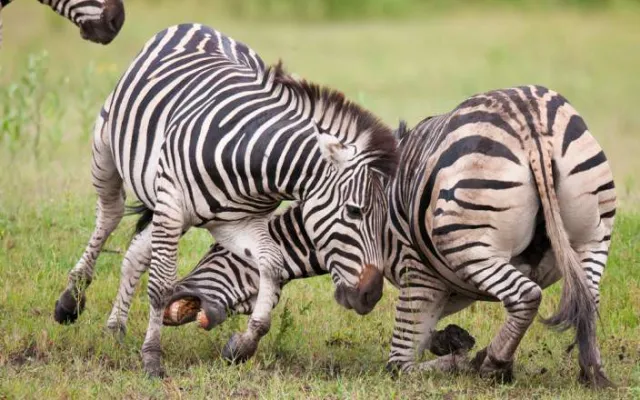
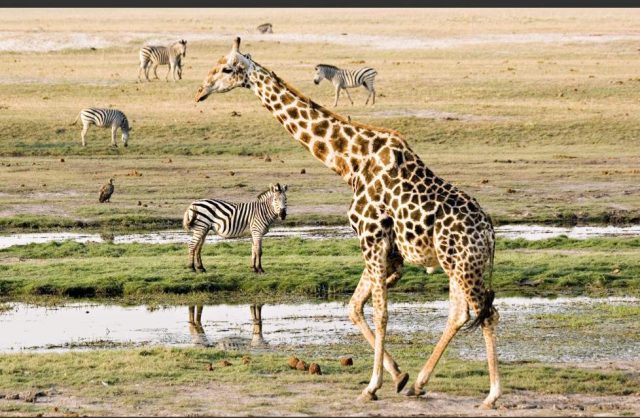
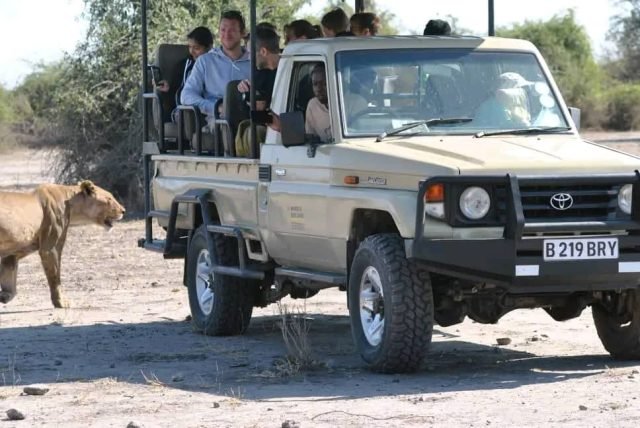
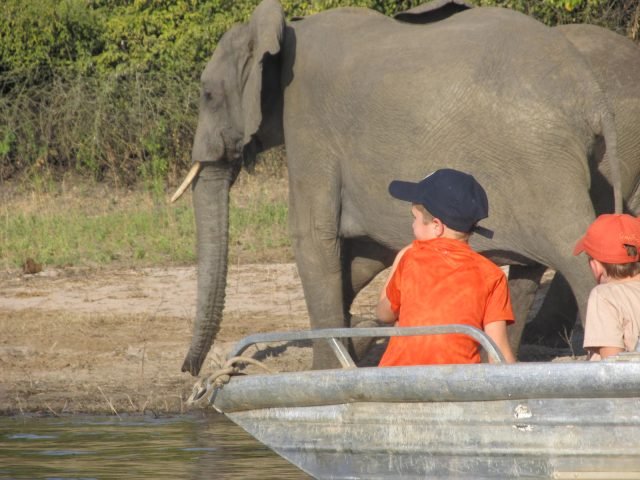
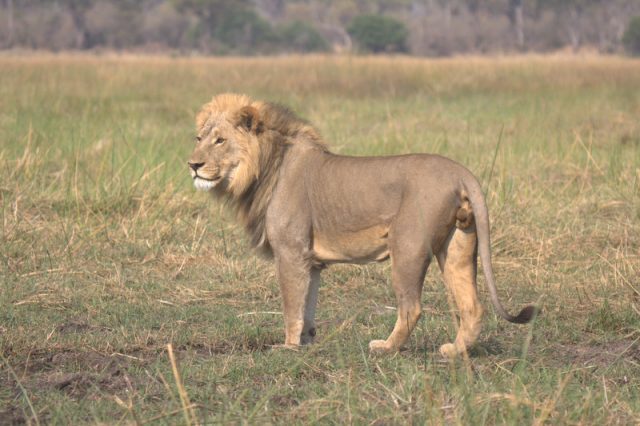
Chobe National Park is home to one of the largest elephant populations in Africa, with an estimated 120,000 elephants roaming its plains. Along with elephants, visitors can spot lions, leopards, buffalo, and rhinos, making it a Big Five safari hotspot. The park is also rich in antelope species, such as sable, roan, and puku, while hippos and crocodiles thrive in the Chobe River.
Chobe is a malaria-risk area, especially during the wet season. Visitors should take preventive measures, such as anti-malaria medication, insect repellent, and wearing long-sleeved clothing. The park is generally safe, but it’s essential to follow safari guidelines, remain in vehicles during game drives, and listen to experienced guides.
Chobe National Park offers an unforgettable safari experience, whether by land or water. Its rich wildlife, stunning scenery, and accessibility make it a must-visit destination for nature lovers and adventure seekers alike.
Chobe National Park is accessible via:
- Air – Kasane International Airport is the closest airport, offering flights from major African cities.
- Road – The park is accessible from Kasane town, which is near the Zimbabwe, Zambia, and Namibia borders. Visitors can drive or take a guided tour.
- Boat – Safari cruises along the Chobe River provide a unique way to enter the park.
With over 450 recorded bird species, Chobe is a paradise for bird watchers. The riverbanks attract water birds like African fish eagles, herons, and kingfishers. During the wet season, migratory birds such as the carmine bee-eater and African skimmer make an appearance, adding vibrant colors to the landscape.
Chobe experiences two distinct seasons:
- Dry Season (Winter) – Cooler temperatures (10°C to 30°C), little to no rainfall.
- Wet Season (Summer) – Warmer temperatures (20°C to 35°C), occasional afternoon showers, and high humidity.