
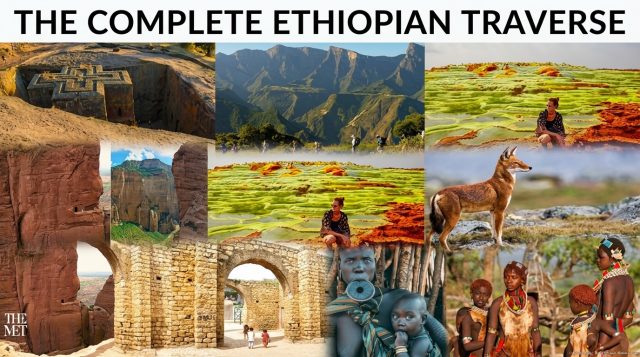
Mago National Park is located in the southwestern part of Ethiopia, near the border with South Sudan. The park is named after the Mago River, which runs through it, providing a natural habitat for a diverse range of wildlife. Covering an area of 2,162 square kilometers, Mago National Park is part of the Southern Nations, Nationalities, and Peoples' Region and is recognized for its pristine landscapes, including rolling hills, savannah, and dense forests. The park is often considered one of the most remote and underexplored national parks in Ethiopia, making it a hidden gem for adventure travelers and nature enthusiasts.
New
$4,026 Per Person
Visit:
 Ethiopia
(Tour Start: Addis Ababa Bole International Airport (add) | Tour End: Addis Ababa Bole International Airport (add))
Ethiopia
(Tour Start: Addis Ababa Bole International Airport (add) | Tour End: Addis Ababa Bole International Airport (add))
Ethiopia
(Tour Start: Addis Ababa Bole International Airport (add) | Tour End: Addis Ababa Bole International Airport (add))
DURATION
15 Days / 14 Nights
TOUR TYPE
Private | Luxury

Origin Abyssinia Ethiopia Tour
No reviews yet