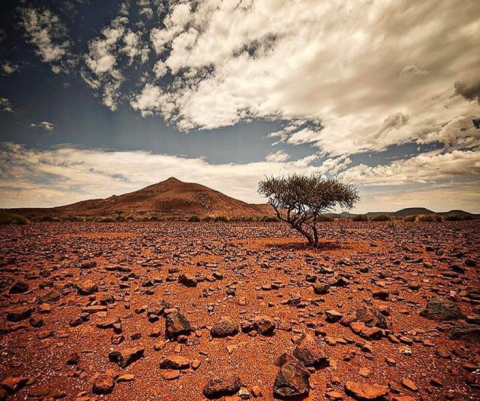
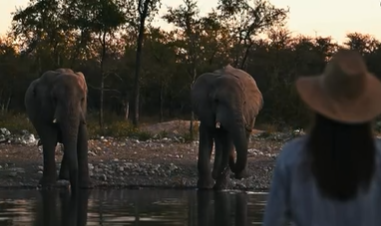
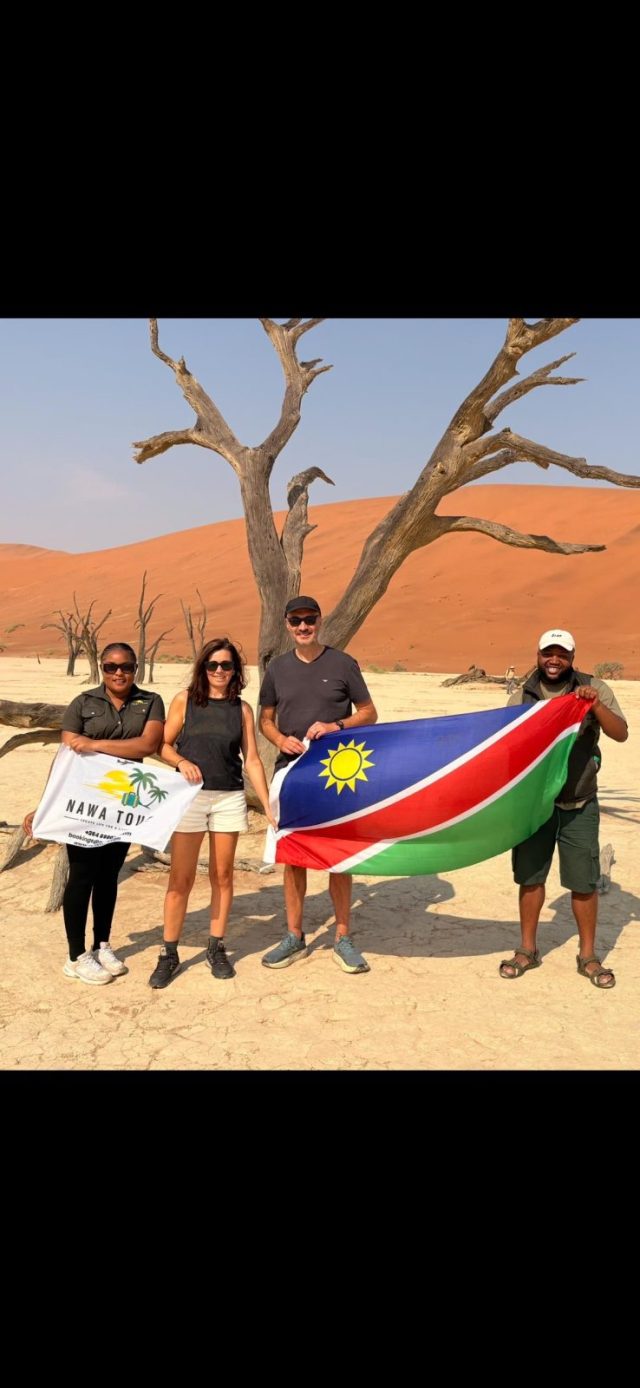
Namibia is a breathtaking safari destination known for its vast deserts, stunning landscapes, unique wildlife, and rich cultural heritage. From the towering red dunes of Sossusvlei to the wildlife-rich plains of Etosha National Park, Namibia offers one of Africa’s most diverse and dramatic safari experiences. Unlike traditional safari destinations dominated by lush vegetation, Namibia’s beauty lies in its stark, otherworldly scenery. The country is home to Africa’s oldest desert, the Namib, which stretches along the Atlantic coastline, providing spectacular backdrops for an adventure of a lifetime. Namibia’s low population density also makes it an excellent destination for those seeking remote and intimate safari experiences.
Zambezi Region (Caprivi Strip)
The Zambezi Region, formerly known as the Caprivi Strip, is located in the northeaste...
View DetailsWaterberg Plateau Park
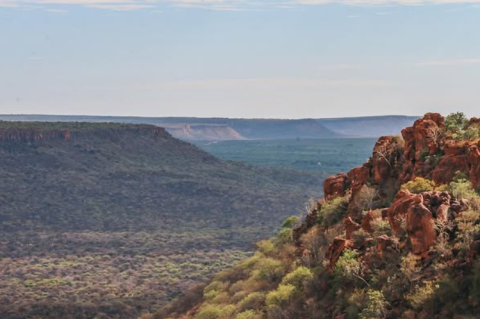
Waterberg Plateau Park is one of Namibia's most iconic and significant wildlife c...
View Details
Tsau //Khaeb (Sperrgebiet) National Park
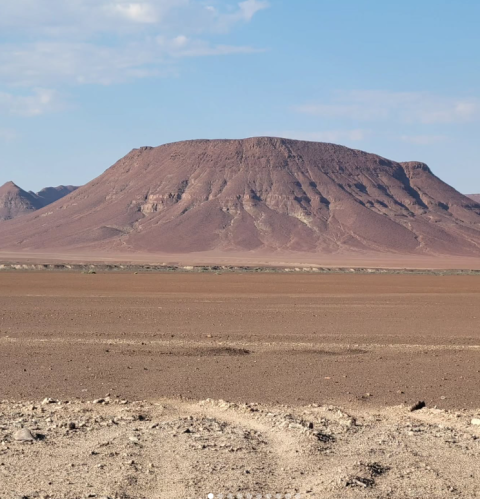
Tsau //Khaeb (Sperrgebiet) National Park, located in the southwestern part of Namibia...
View DetailsSkeleton Coast National Park
Skeleton Coast National Park, located in northwestern Namibia, is one of the most rem...
View DetailsPalmwag Concession
Palmwag Concession is a stunning and remote wilderness area in northwestern Namibia,...
View Details
Onguma Private Game Reserve
Onguma Private Game Reserve is a stunning wildlife sanctuary located on the eastern b...
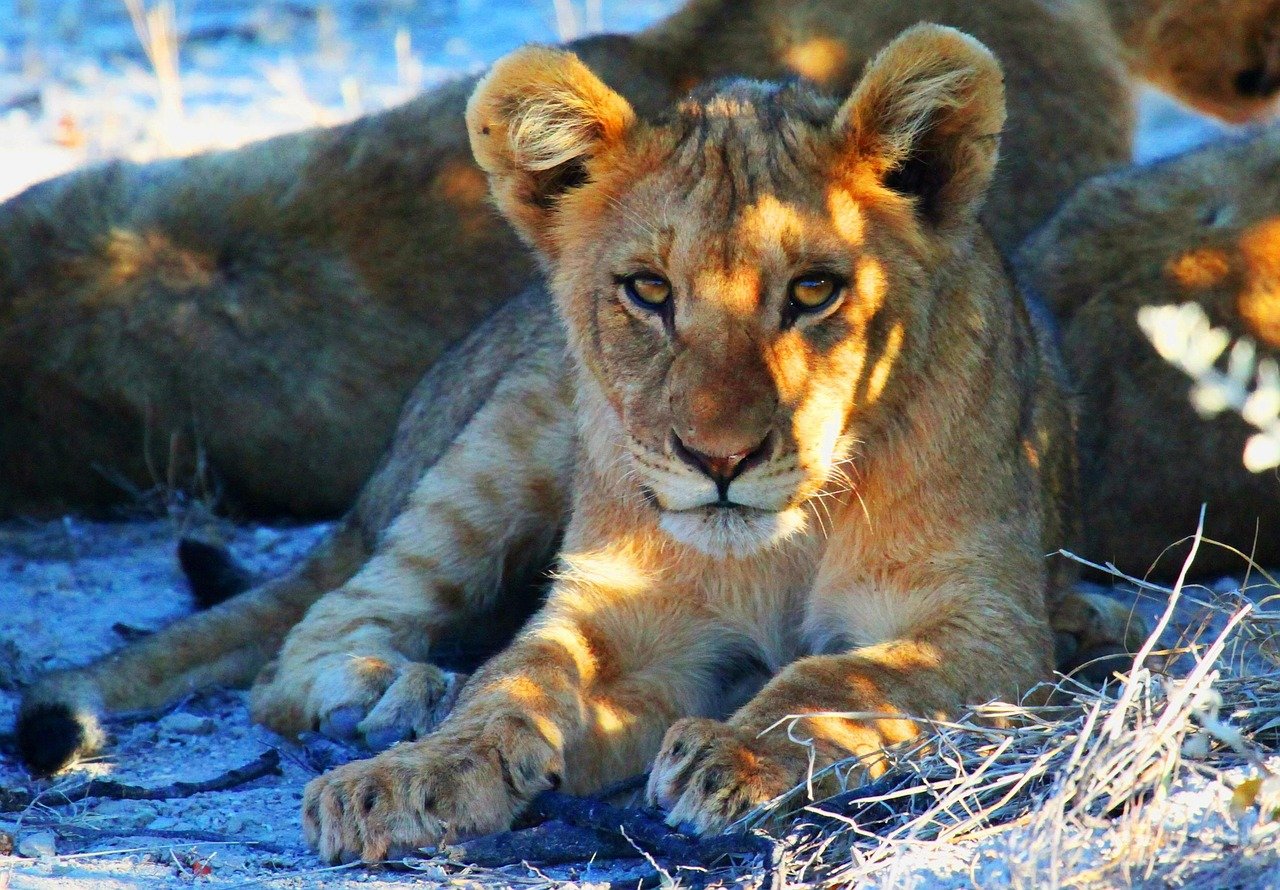
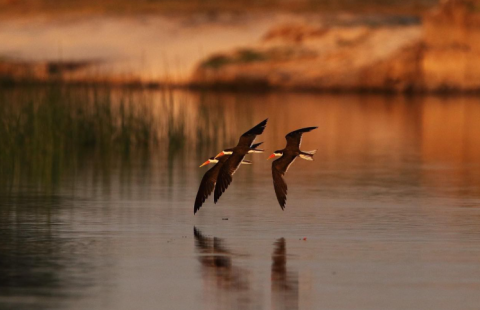
View DetailsNamibia is home to a variety of unique wildlife, including: The Big Five: Lions, leopards, elephants, buffaloes, and rhinos (both black and white). Desert-Adapted Wildlife: Oryx, springbok, ostriches, brown hyenas, and aardvarks survive in extreme conditions. Cheetahs: Namibia has one of the world’s largest cheetah populations, with conservation efforts in place. Birdlife: Over 600 species, including flamingos, pelicans, lilac-breasted rollers, and endemic species like the dune lark.
Game Drives: Day and night drives in national parks. Hot Air Ballooning: Aerial views of the Namib Desert’s dunes. Quad Biking & Sandboarding: Thrilling activities in Swakopmund. Boat Safaris: Hippo and crocodile spotting in the Caprivi Strip. Cultural Visits: Interact with Himba, San, and Herero communities. Stargazing: The Namib Desert is one of the best places in the world for astronomy.
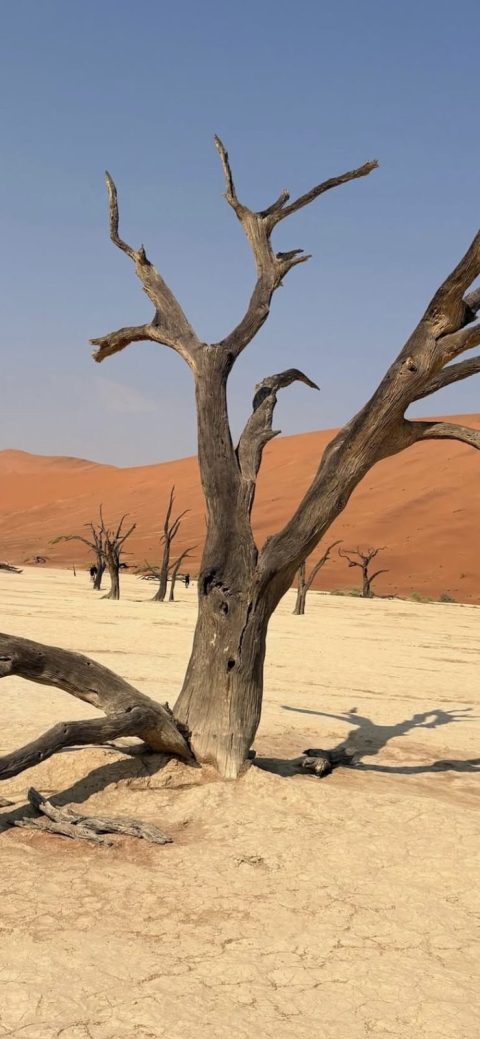
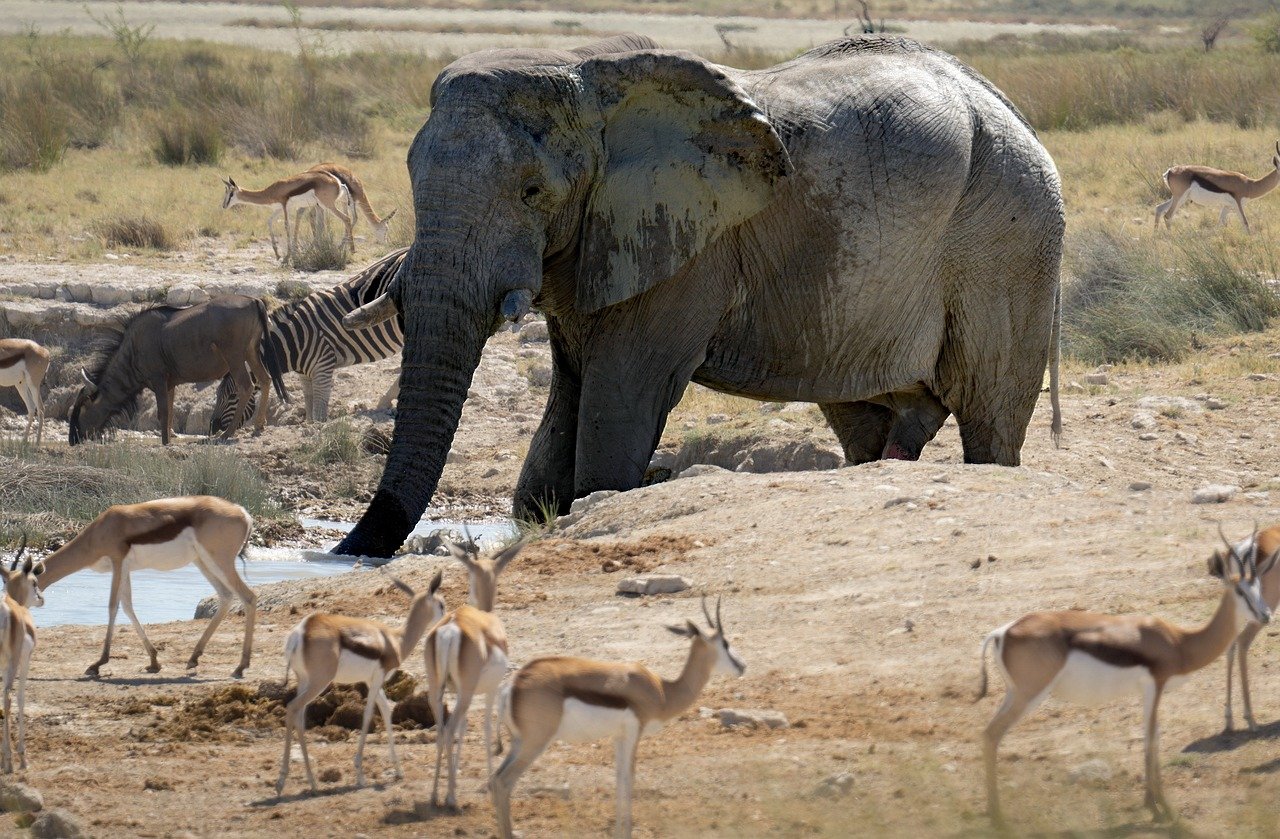
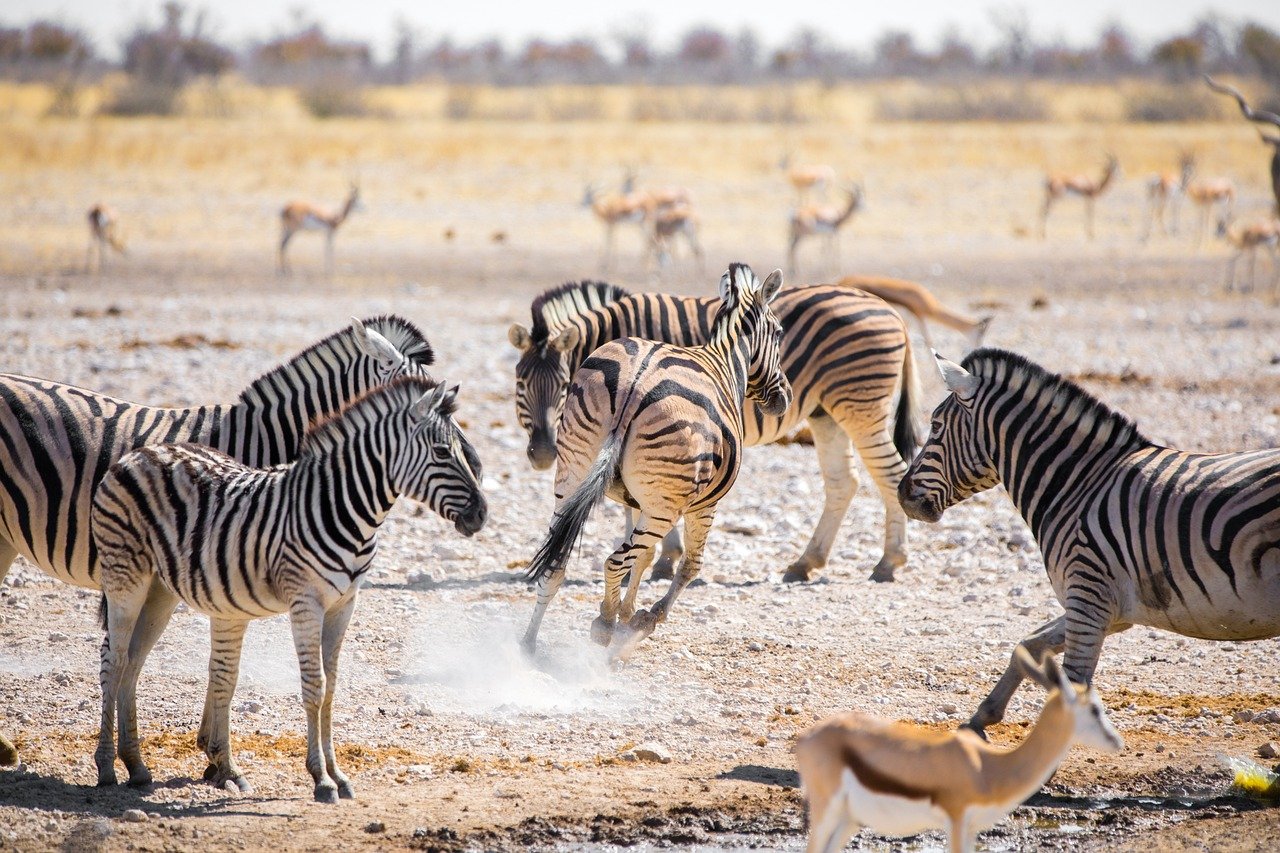
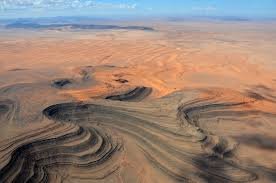
1. Etosha National Park – Namibia’s Premier Wildlife Destination Etosha National Park is one of Africa’s most renowned wildlife sanctuaries, covering over 22,000 square kilometers. The park’s defining feature is the Etosha Pan, a vast salt flat that fills with water during the rainy season, attracting thousands of flamingos and other waterbirds. Wildlife Highlights: Home to over 100 mammal species, including elephants, lions, rhinos, cheetahs, leopards, and large herds of springbok, zebra, and wildebeest. Best Time to Visit: Dry season (May to October) when animals congregate around waterholes. Accommodation: Wide range of options from luxury lodges (Ongava Lodge, Mushara Collection) to government-run camps (Okaukuejo, Halali, Namutoni). Safari Experience: Self-drive safaris are popular, with well-maintained roads and marked waterholes. Guided safaris offer in-depth insights into the ecosystem. 2. Namib-Naukluft National Park & Sossusvlei – The Iconic Red Dunes The Namib Desert, believed to be the world’s oldest desert, stretches along Namibia’s coastline and is home to some of the planet’s most breathtaking landscapes. Sossusvlei & Dead Vlei: The towering red dunes of Sossusvlei, including Dune 45 and Big Daddy, are among Namibia’s most photographed landmarks. Nearby, Dead Vlei features ancient, sun-scorched trees set against a stark white clay pan. Wildlife: Though seemingly barren, the desert supports oryx, springbok, jackals, and even leopards in the mountains. Best Time to Visit: May to September for cooler weather and stunning sunrises. Activities: Dune climbing, hot air balloon rides, scenic flights, and stargazing in one of the darkest night skies in the world. 3. Skeleton Coast – The Wild and Remote Atlantic Shoreline Dubbed the "Land God Made in Anger," the Skeleton Coast is one of Africa’s most remote and hauntingly beautiful regions. It stretches from Swakopmund to the Angolan border, characterized by fog-covered beaches, shipwrecks, and towering dunes. Wildlife: Enormous colonies of Cape fur seals (notably at Cape Cross), desert-adapted lions, brown hyenas, and elephants that roam the riverbeds. Best Time to Visit: Year-round, though cooler and misty in winter (June–August). Safari Experience: Fly-in safaris offer the best access, with exclusive lodges like Hoanib Skeleton Coast Camp providing luxurious stays. 4. Damaraland – Land of Desert Elephants and Ancient Rock Art Damaraland is an arid, rocky wilderness where wildlife has adapted to extreme conditions. It is also a cultural treasure trove, with ancient rock engravings and historic sites. Wildlife: Desert-adapted elephants, rhinos, lions, giraffes, and antelope species thrive despite the harsh environment. Twyfelfontein Rock Engravings: A UNESCO World Heritage Site featuring over 2,500 ancient San rock carvings. Best Time to Visit: April to November for wildlife viewing and exploration. Activities: Game drives, cultural visits to Damara villages, and guided walks through dramatic landscapes. 5. Caprivi Strip (Zambezi Region) – Namibia’s Wetland Wonderland The Caprivi Strip, now known as the Zambezi Region, is a stark contrast to the rest of Namibia, featuring lush floodplains, rivers, and a rich variety of wildlife. National Parks: Bwabwata, Nkasa Rupara, and Mudumu, home to hippos, crocodiles, elephants, and big cats. Safari Experience: Best explored by boat safaris, mokoro (canoe) excursions, and guided walking safaris. Best Time to Visit: June to October for dry season game viewing, though birding is excellent year-round. 6. Kalahari Desert – The Red Sand Wilderness The Kalahari, shared with Botswana and South Africa, is home to the indigenous San (Bushmen) people, whose traditional ways of life remain deeply connected to the land. Wildlife: Cheetahs, oryx, springbok, and brown hyenas are common, along with unique desert vegetation. Cultural Experience: Visit San communities to learn about ancient survival techniques, tracking, and storytelling. Best Time to Visit: April to October for cooler temperatures and wildlife viewing.
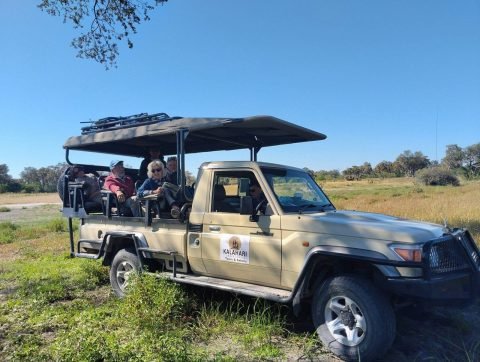
Self-Drive Safaris: Ideal for independent travelers, Namibia’s road network allows for easy navigation through its national parks and remote areas. Guided Safaris: Expert-led safaris provide in-depth knowledge of Namibia’s landscapes, culture, and wildlife. Luxury Fly-In Safaris: These high-end safaris allow access to remote destinations with breathtaking aerial views. Walking & Photographic Safaris: Namibia’s dramatic landscapes make it a paradise for nature photography, while walking safaris in places like Damaraland offer immersive experiences.
Namibia offers a variety of accommodations catering to different budgets: Luxury Lodges: High-end safari lodges offering exclusive experiences, such as &Beyond Sossusvlei Desert Lodge and Little Kulala. Mid-Range Tented Camps: Comfortable, eco-friendly stays in stunning locations, like Desert Camp near Sossusvlei. Budget Campsites: Affordable, well-maintained camping sites, perfect for self-drive travelers.
Ready to experience Namibia’s vast landscapes, thrilling wildlife encounters, and rich cultural heritage? Compare safari packages, request free quotes, and plan your adventure on Safarivendors.com