Home › Parks & Destinations › Kenya flag Kenya › Hell’s Gate National Park

Hell’s Gate National Park

Kenya flag Kenya 5 Safaris 4 Operators
Location Kenya flag Kenya
Park Type —
Safari Packages 5
Verified Operators 4
About Hell’s Gate National Park

Hell’s Gate National Park is located in Kenya, about 90 kilometers (56 miles) from Nairobi, near Lake Naivasha in the Great Rift Valley. The park is named after the dramatic geothermal fissures that can be seen throughout the area, resembling "hell's gates." It is a unique and picturesque park known for its striking scenery, including towering cliffs, volcanic formations, hot s...

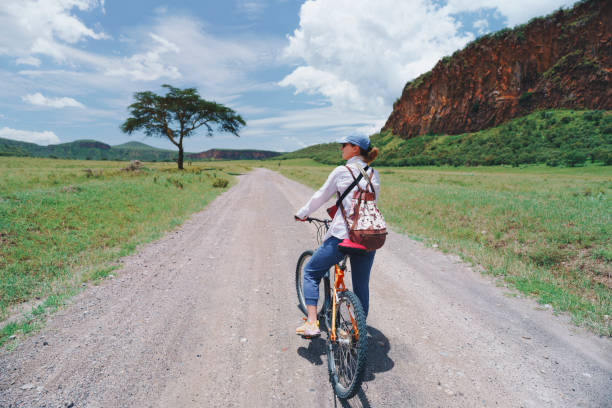
Hell’s Gate National Park is located in Kenya, about 90 kilometers (56 miles) from Nairobi, near Lake Naivasha in the Great Rift Valley. The park is named after the dramatic geothermal fissures that can be seen throughout the area, resembling "hell's gates." It is a unique and picturesque park known for its striking scenery, including towering cliffs, volcanic formations, hot springs, and diverse wildlife. Unlike other national parks in Kenya, Hell's Gate is one of the few where visitors can explore on foot or by bicycle, offering a more interactive and intimate experience with nature.


The park spans 68.25 square kilometers (26.3 square miles) and features two main sections: the Olkaria and the Central parts. It has become famous for its diverse landscapes, including gorges, cliffs, and geothermal areas. Hell’s Gate is also a great destination for hiking, rock climbing, birdwatching, and cycling.

Country
Kenya flag Kenya
Safaris
5 packages
When to Visit
Dry Season (June to October): This period is ideal for wildlife sightings as animals gather around water sources. The weather is also more predictable, making it easier to explore on foot or by bike.
Wet Season (November to May): The park becomes lush and green during the rainy season, making it a great time for photography and birdwatching. However, some of the hiking trails and roads can become muddy and slippery during this time.
Peak season
Shoulder season
Wet / off-season
Wildlife
Lions (though sightings are rare)
Cheetahs
Buffaloes
Zebras
Giraffes
Thomson’s gazelles
Impala
Warthogs
Baboons
Safari Packages View all
Health
  Visiting Hell’s Gate is generally safe, but it’s important to take some precautions:   Vaccinations: Ensure you are up to date on routine vaccines, as well as vaccines for yellow fever and malaria prevention, especially if you plan to visit the park after or before traveling to other parts of Kenya. Water: Always carry bottled water as the water in the park may not be safe for drinking. Sun Protection: Due to the high altitude and exposure to the sun, make sure to use sunscreen, wear a hat, and bring sunglasses. Wildlife Safety: Though the park allows walking and cycling, always keep a safe distance from wild animals. Avoid approaching aggressive animals, and follow the instructions of park rangers. Geothermal Hot Springs: The Olkaria Geothermal Station has hot springs, which can be very hot, so visitors should avoid venturing too close to these areas without guidance.
Safety
  Visiting Hell’s Gate is generally safe, but it’s important to take some precautions:   Vaccinations: Ensure you are up to date on routine vaccines, as well as vaccines for yellow fever and malaria prevention, especially if you plan to visit the park after or before traveling to other parts of Kenya. Water: Always carry bottled water as the water in the park may not be safe for drinking. Sun Protection: Due to the high altitude and exposure to the sun, make sure to use sunscreen, wear a hat, and bring sunglasses. Wildlife Safety: Though the park allows walking and cycling, always keep a safe distance from wild animals. Avoid approaching aggressive animals, and follow the instructions of park rangers. Geothermal Hot Springs: The Olkaria Geothermal Station has hot springs, which can be very hot, so visitors should avoid venturing too close to these areas without guidance.
Get There
  Hell’s Gate National Park is located near Lake Naivasha in the Great Rift Valley, making it easily accessible from Nairobi. Here are the main ways to get there:   By Car: It’s about a 2-hour drive from Nairobi (90 km), and the park is accessible via the Nairobi-Nakuru Highway. Public Transport: You can take a matatu (shared minibus) from Nairobi to Naivasha, and from there, hire a taxi or use local transport to reach the park entrance. By Air: The nearest airstrip is in Naivasha, and there are several charter flights available from Nairobi.
Plan My Trip to Hell’s Gate National Park
Frequently Asked Questions


1. Is Hell’s Gate National Park suitable for children?
Yes, Hell’s Gate is a family-friendly destination. Children can enjoy the park’s open spaces, bike rentals, and guided walks, although younger children should be kept under supervision near wildlife and geothermal areas.

2. Can you camp at Hell’s Gate?
Yes, the park has camping facilities where visitors can enjoy the outdoors. There are designated campsites, and you can also stay at nearby lodges and hotels around Lake Naivasha.

3. Are there guided tours available?
Yes, guided walking and biking tours are available within the park. It is highly recommended to go on a guided tour to gain insights into the park's history, wildlife, and geology.

4. Can you climb the cliffs at Hell’s Gate?
Climbing the cliffs is possible in certain areas with proper permits. For example, the Fischer’s Tower is a popular rock climbing site in the park, and you can experience guided rock climbing here.

5. Are there any restaurants or food services inside the park?
No, there are no restaurants within the park itself, but there are several dining options available around Lake Naivasha and Naivasha town.

6. Can I cycle in Hell’s Gate?
Yes, cycling is one of the most popular activities at Hell’s Gate. You can rent a bike at the park entrance and explore the park’s trails at your own pace.

7. Is it safe to walk in Hell’s Gate?
Yes, the park is safe for walking, and many visitors enjoy hiking the scenic routes. However, it's important to walk with a guide to avoid any risks related to wildlife and geothermal features.


Hell’s Gate National Park is an extraordinary destination for anyone looking to explore Kenya’s natural beauty and wildlife up close. Whether you enjoy hiking, cycling, birdwatching, or simply soaking in the dramatic landscapes, there’s something here for every adventurer.


Still have questions?
Our safari specialists respond within 24 hours.
Ask an Expert
Birds


Hell’s Gate is a popular birdwatching destination, home to more than 100 bird species. The combination of diverse habitats, including the cliffs, lakes, and grasslands, makes the park a perfect spot for bird lovers. Some of the most notable bird species found here include:


  • Grey Crowned Crane
  • African Fish Eagle
  • Lilac-breasted Roller
  • White-backed Vulture
  • Secretary Bird
  • Flamingos (seasonally at Lake Naivasha)
  • Raptors like the Tawny Eagle, Bearded Vulture, and Peregrine Falcon


For birdwatching enthusiasts, the park provides an excellent opportunity to see a wide variety of species in both wetland and dry areas.

Weather & Climate


Hell’s Gate National Park experiences a tropical climate with distinct wet and dry seasons. The park is situated at an altitude of about 1,500 meters (4,920 feet), which moderates the climate slightly compared to the surrounding lower areas.


  • Temperature: Daytime temperatures range between 25°C and 30°C (77°F to 86°F) on average, while night temperatures can drop to 10°C (50°F) or lower.
  • Rainfall: The rainy season occurs from March to May and October to December, with the heaviest rains falling from April to May.
  • Humidity: The air is generally dry, but humidity increases during the rainy season.
FAQs


1. Is Hell’s Gate National Park suitable for children?
Yes, Hell’s Gate is a family-friendly destination. Children can enjoy the park’s open spaces, bike rentals, and guided walks, although younger children should be kept under supervision near wildlife and geothermal areas.

2. Can you camp at Hell’s Gate?
Yes, the park has camping facilities where visitors can enjoy the outdoors. There are designated campsites, and you can also stay at nearby lodges and hotels around Lake Naivasha.

3. Are there guided tours available?
Yes, guided walking and biking tours are available within the park. It is highly recommended to go on a guided tour to gain insights into the park's history, wildlife, and geology.

4. Can you climb the cliffs at Hell’s Gate?
Climbing the cliffs is possible in certain areas with proper permits. For example, the Fischer’s Tower is a popular rock climbing site in the park, and you can experience guided rock climbing here.

5. Are there any restaurants or food services inside the park?
No, there are no restaurants within the park itself, but there are several dining options available around Lake Naivasha and Naivasha town.

6. Can I cycle in Hell’s Gate?
Yes, cycling is one of the most popular activities at Hell’s Gate. You can rent a bike at the park entrance and explore the park’s trails at your own pace.

7. Is it safe to walk in Hell’s Gate?
Yes, the park is safe for walking, and many visitors enjoy hiking the scenic routes. However, it's important to walk with a guide to avoid any risks related to wildlife and geothermal features.


Hell’s Gate National Park is an extraordinary destination for anyone looking to explore Kenya’s natural beauty and wildlife up close. Whether you enjoy hiking, cycling, birdwatching, or simply soaking in the dramatic landscapes, there’s something here for every adventurer.