Home › Parks & Destinations › Uganda flag Uganda › Bwindi Impenetrable National Park

Bwindi Impenetrable National Park

Uganda flag Uganda 52 Safaris 18 Operators
Location Uganda flag Uganda
Park Type —
Safari Packages 52
Verified Operators 18
About Bwindi Impenetrable National Park

Bwindi Impenetrable National Park is one of Uganda's most renowned natural treasures, located in the southwestern part of the country. Covering approximately 321 square kilometers, the park is famous for its dense, mist-covered forests, rugged terrain, and incredible biodiversity. It is most famous for being home to nearly half of the world’s remaining mountain gorillas, making it a prim...

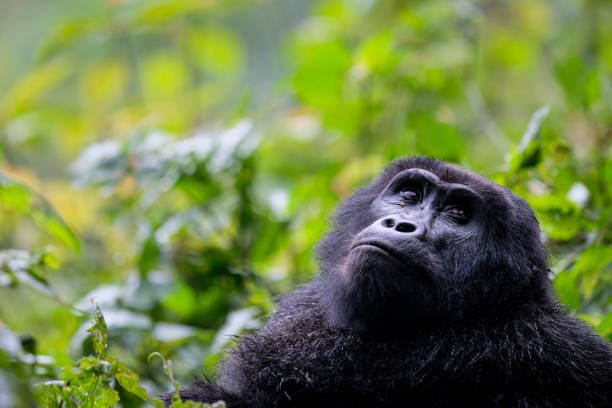
Bwindi Impenetrable National Park is one of Uganda's most renowned natural treasures, located in the southwestern part of the country. Covering approximately 321 square kilometers, the park is famous for its dense, mist-covered forests, rugged terrain, and incredible biodiversity. It is most famous for being home to nearly half of the world’s remaining mountain gorillas, making it a prime destination for gorilla trekking.


Established as a national park in 1991 and designated a UNESCO World Heritage Site in 1994, Bwindi serves as a crucial conservation area. Apart from gorillas, the park boasts an incredible array of wildlife, bird species, and plant life, making it a must-visit destination for nature lovers and adventurers.


Country
Uganda flag Uganda
Safaris
52 packages
When to Visit
June to August (Peak season – best for trekking)
December to February (Ideal for trekking and birdwatching)
Peak season
Shoulder season
Wet / off-season
Wildlife
Mountain Gorillas – The park harbors over 450 of the world’s remaining mountain gorillas, making it one of the best places for gorilla trekking.
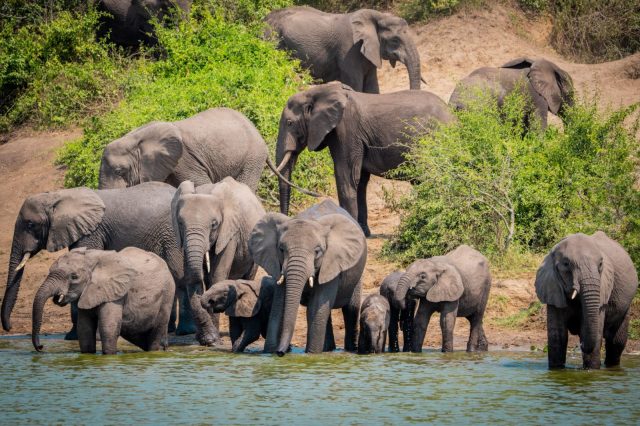
Forest Elephants – Though rare to spot, a small population of forest elephants resides within the park.
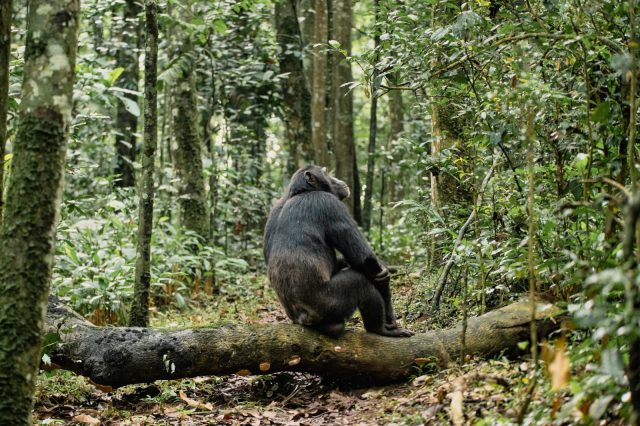
Chimpanzees – Though not as commonly seen as in other Ugandan parks, chimpanzees do inhabit Bwindi.
Other Primates – Black

and-white colobus monkeys, L’Hoest’s monkeys, blue monkeys, and baboons can be found in the forest.

Antelopes – Species like the bushbuck and duiker roam the thick jungle.
Leopards – Though elusive, a small number of leopards reside within the forest.
Reptiles & Amphibians – Several species of chameleons, frogs, and other reptiles inhabit the park.
Safari Packages View all
Health
  To ensure a safe and healthy visit to Bwindi Impenetrable National Park, consider the following:   Health Precautions: Yellow Fever Vaccination: Required for entry into Uganda. Malaria Prevention: The park is in a malaria-prone area; carry insect repellent and take antimalarial medication. Gorilla Trekking Rules: Avoid trekking if you have flu or a cold to protect the gorillas from human-borne diseases. First Aid Kit: Carry basic medical supplies for minor injuries. Safety Tips: Hire a Guide: Always trek with a ranger guide for safety and navigation. Follow Trekking Rules: Maintain a 7-meter distance from gorillas and avoid sudden movements. Watch Your Step: The trails are steep and can be slippery; wear sturdy hiking boots. Stay Hydrated: The hikes can be strenuous, so carry enough water.
Safety
  To ensure a safe and healthy visit to Bwindi Impenetrable National Park, consider the following:   Health Precautions: Yellow Fever Vaccination: Required for entry into Uganda. Malaria Prevention: The park is in a malaria-prone area; carry insect repellent and take antimalarial medication. Gorilla Trekking Rules: Avoid trekking if you have flu or a cold to protect the gorillas from human-borne diseases. First Aid Kit: Carry basic medical supplies for minor injuries. Safety Tips: Hire a Guide: Always trek with a ranger guide for safety and navigation. Follow Trekking Rules: Maintain a 7-meter distance from gorillas and avoid sudden movements. Watch Your Step: The trails are steep and can be slippery; wear sturdy hiking boots. Stay Hydrated: The hikes can be strenuous, so carry enough water.
Get There
  There are multiple ways to access Bwindi Impenetrable National Park:   By Air: Travelers can fly from Entebbe International Airport or Kajjansi Airstrip to Kihihi or Kisoro Airstrips, then drive to the park. Domestic flights are operated by companies like Aerolink Uganda and Fly Uganda. By Road: From Kampala/Entebbe: A drive of about 8–10 hours (520 km) via Mbarara to Buhoma. From Queen Elizabeth National Park: About 3–4 hours. From Kigali, Rwanda: A shorter route of about 4–5 hours, making it a popular option for tourists arriving via Rwanda.
Plan My Trip to Bwindi Impenetrable National Park
Frequently Asked Questions


1. Do I need a permit for gorilla trekking?

Yes, a gorilla trekking permit is required and costs $700 for foreign non-residents, $600 for foreign residents, and UGX 250,000 for East African citizens. Permits should be booked in advance through the Uganda Wildlife Authority (UWA).

2. How difficult is gorilla trekking?

Trekking can be physically demanding, as it involves hiking through steep, thick forest. Fitness preparation is recommended.

3. What should I wear for gorilla trekking?

  • Long-sleeved shirts and trousers (for protection against insects and vegetation)
  • Waterproof hiking boots
  • A rain jacket (due to unpredictable rains)
  • Gloves (for gripping vegetation and avoiding stings)

4. Are there accommodation options near Bwindi?

Yes, Bwindi has a range of accommodations from budget to luxury, including:

  • Luxury Lodges: Buhoma Lodge, Gorilla Forest Camp
  • Mid-range Lodges: Ichumbi Gorilla Lodge, Mahogany Springs
  • Budget Lodges: Bwindi Backpackers Lodge, Gorilla Mist Camp

5. Can I see other wildlife besides gorillas?

Yes, besides gorillas, you can see other primates, forest elephants, birds, and various mammals.

6. Is there a cultural experience in Bwindi?

Yes! The Batwa Cultural Experience offers a glimpse into the lives of the Batwa pygmies, the indigenous people who once lived in the forest.


Bwindi Impenetrable National Park offers an unforgettable experience for nature enthusiasts, adventure seekers, and wildlife lovers. Whether you’re trekking gorillas, birdwatching, or exploring the lush forest, this park is a true African gem. Plan accordingly, book your permits early, and prepare for an adventure of a lifetime!


Still have questions?
Our safari specialists respond within 24 hours.
Ask an Expert
Birds


Birdwatching in Bwindi Impenetrable National Park is a remarkable experience. With over 350 bird species recorded, including 23 Albertine Rift endemics, it is a birding paradise. Some notable species include:


  • African Green Broadbill
  • Black Bee-eater
  • Shelley’s Crimsonwing
  • Handsome Francolin
  • Rwenzori Nightjar
  • Regal Sunbird
  • Western Green Tinkerbird
  • Grauer’s Rush Warbler


Weather & Climate


Bwindi has a tropical rainforest climate with high humidity and frequent rainfall.


  • Temperatures: Range between 7°C (45°F) at night and 27°C (81°F) during the day.
  • Rainfall: The park experiences heavy rainfall, especially in March-May and September-November.
FAQs


1. Do I need a permit for gorilla trekking?

Yes, a gorilla trekking permit is required and costs $700 for foreign non-residents, $600 for foreign residents, and UGX 250,000 for East African citizens. Permits should be booked in advance through the Uganda Wildlife Authority (UWA).

2. How difficult is gorilla trekking?

Trekking can be physically demanding, as it involves hiking through steep, thick forest. Fitness preparation is recommended.

3. What should I wear for gorilla trekking?

  • Long-sleeved shirts and trousers (for protection against insects and vegetation)
  • Waterproof hiking boots
  • A rain jacket (due to unpredictable rains)
  • Gloves (for gripping vegetation and avoiding stings)

4. Are there accommodation options near Bwindi?

Yes, Bwindi has a range of accommodations from budget to luxury, including:

  • Luxury Lodges: Buhoma Lodge, Gorilla Forest Camp
  • Mid-range Lodges: Ichumbi Gorilla Lodge, Mahogany Springs
  • Budget Lodges: Bwindi Backpackers Lodge, Gorilla Mist Camp

5. Can I see other wildlife besides gorillas?

Yes, besides gorillas, you can see other primates, forest elephants, birds, and various mammals.

6. Is there a cultural experience in Bwindi?

Yes! The Batwa Cultural Experience offers a glimpse into the lives of the Batwa pygmies, the indigenous people who once lived in the forest.


Bwindi Impenetrable National Park offers an unforgettable experience for nature enthusiasts, adventure seekers, and wildlife lovers. Whether you’re trekking gorillas, birdwatching, or exploring the lush forest, this park is a true African gem. Plan accordingly, book your permits early, and prepare for an adventure of a lifetime!