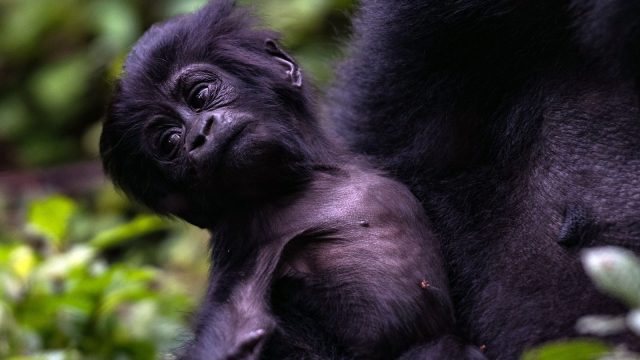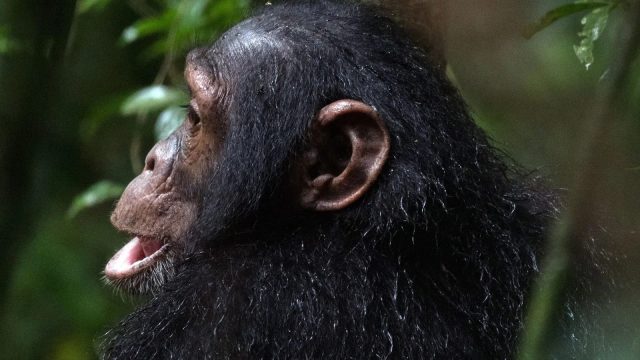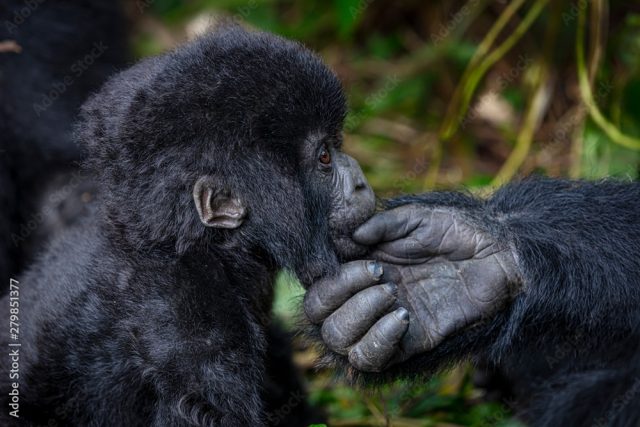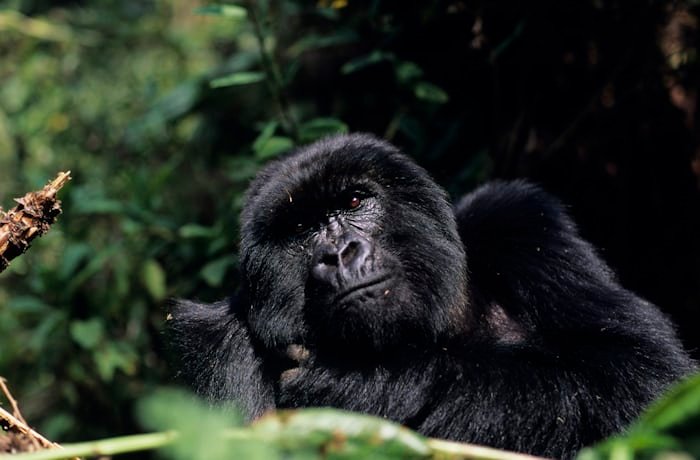
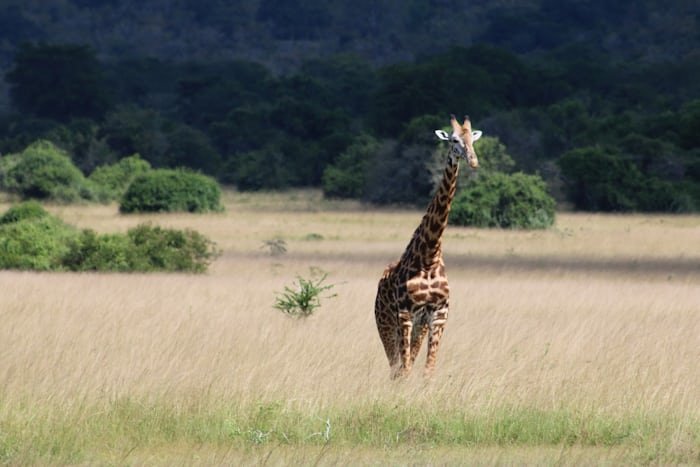
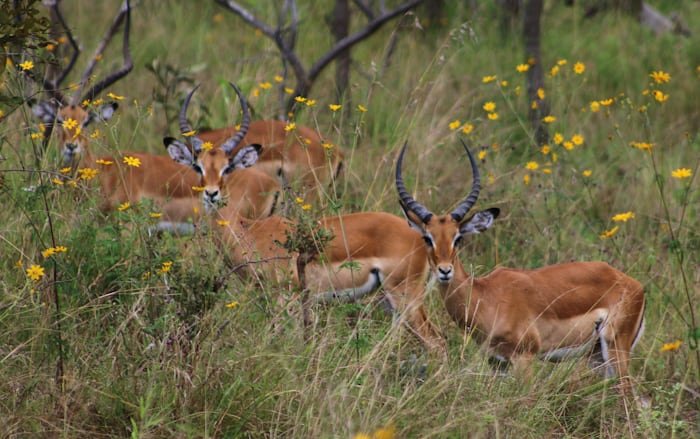
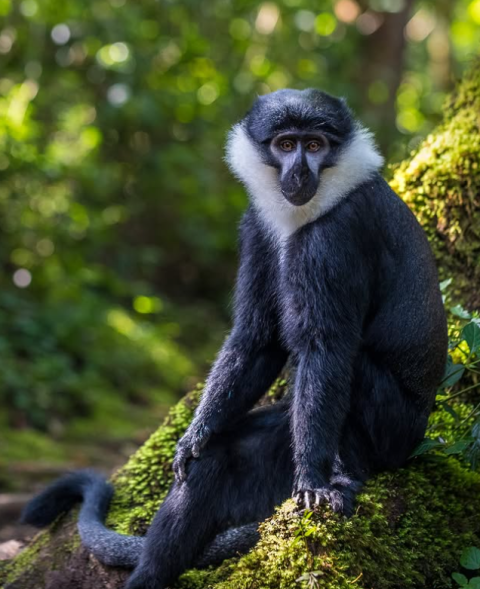
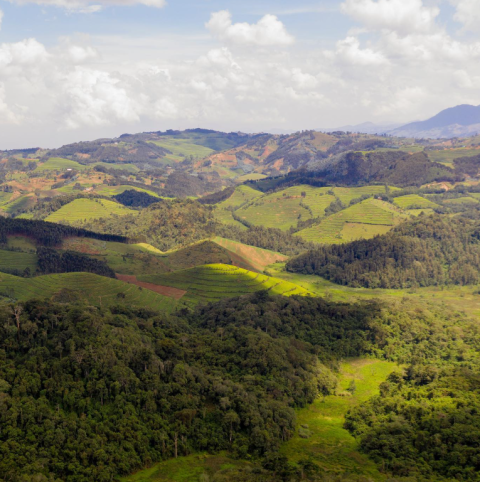
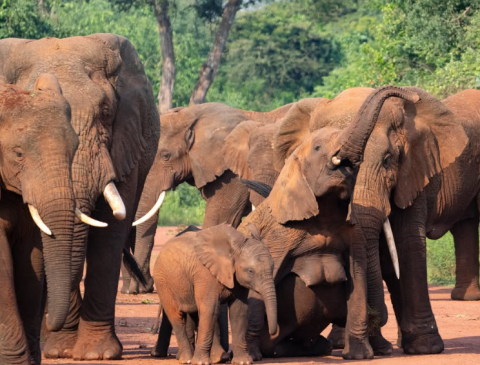
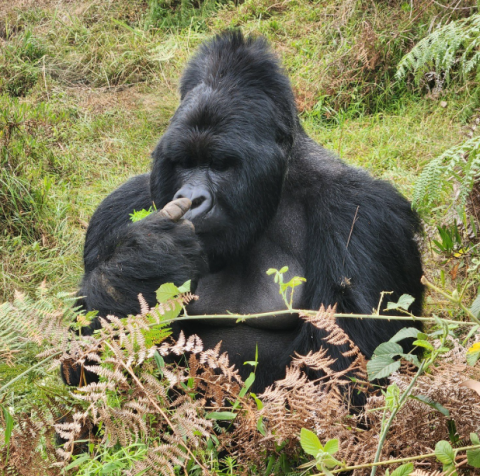
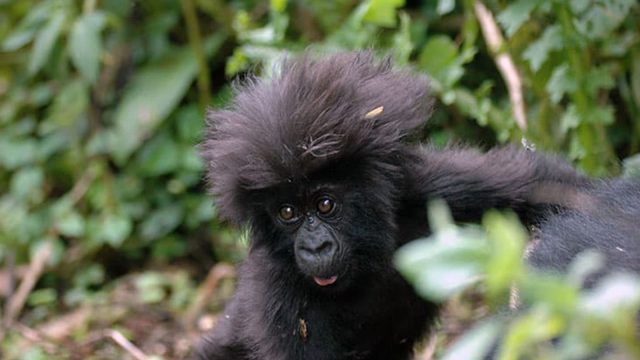
Rwanda, famously known as the "Land of a Thousand Hills," is a premier safari destination renowned for its breathtaking landscapes, rich biodiversity, and exceptional wildlife experiences. The country is home to the majestic mountain gorillas of Volcanoes National Park, making it one of the best places in the world for gorilla trekking. With a strong commitment to conservation and ecotourism, Rwanda offers a unique blend of luxury, adventure, and cultural immersion. Beyond gorilla trekking, Rwanda’s national parks offer diverse safari experiences. Akagera National Park is a Big Five destination where visitors can enjoy classic savanna safaris with lions, elephants, buffaloes, leopards, and rhinos. Nyungwe National Park, a pristine rainforest, is a haven for primates, including chimpanzees and colobus monkeys, and offers exhilarating canopy walks. Rwanda’s tourism infrastructure is top-notch, with high-end lodges and exceptional services ensuring an unforgettable experience. Kigali, the vibrant and clean capital city, serves as a gateway to the country’s natural wonders and offers a fascinating cultural experience with museums, art galleries, and historical sites.
Nyungwe National Park
Nyungwe National Park is one of Africa’s oldest and most biodiverse rainforests...
View DetailsGishwati-Mukura National Park
Gishwati-Mukura National Park is one of Rwanda’s newest and smallest national p...
View DetailsAkagera National Park
Akagera National Park, located in the eastern part of Rwanda along the border with Ta...
View DetailsVolcanoes National Park
Volcanoes National Park, located in the northwestern part of Rwanda, is one of Africa...
View DetailsBeyond safaris, Rwanda offers rich cultural experiences. The Kigali Genocide Memorial provides a powerful insight into Rwanda’s tragic history and its remarkable recovery. Traditional villages like Iby’Iwacu Cultural Village near Volcanoes National Park allow visitors to engage with local traditions, dance performances, and storytelling.
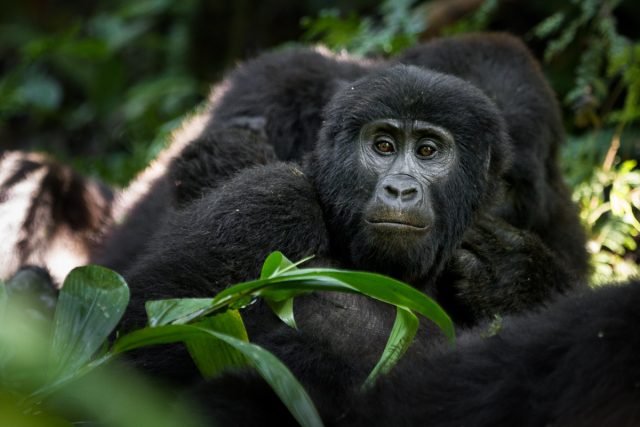
One of the main highlights of a Rwandan safari is trekking the endangered mountain gorillas in Volcanoes National Park. The park is home to approximately one-third of the world's remaining gorilla population. Permits for gorilla trekking are strictly regulated to ensure conservation efforts, and only a limited number of visitors can experience this extraordinary wildlife encounter daily. A permit costs $1,500 per person, with part of the funds directly supporting conservation and local communities.
Akagera National Park, located in the east of Rwanda, is a remarkable comeback story. Once heavily poached, conservation efforts have revived this park into a thriving Big Five destination. Akagera offers game drives, boat safaris on Lake Ihema, and guided walking safaris. The park is home to lions, rhinos, elephants, buffaloes, leopards, giraffes, zebras, and various antelope species. Akagera’s diverse landscapes of savanna, lakes, and wetlands make it a fantastic safari destination with a mix of classic game viewing and unique water-based safaris.
Nyungwe National Park is one of Africa’s oldest rainforests and a biodiversity hotspot. It is home to over 13 primate species, including chimpanzees, Rwenzori colobus monkeys, and L’Hoest’s monkeys. Visitors can embark on guided chimpanzee tracking expeditions and explore the famous Canopy Walkway, which offers breathtaking views of the dense rainforest from 60 meters above the ground.
Rwanda has positioned itself as a luxury eco-tourism destination with world-class lodges and sustainable tourism practices. High-end accommodations like One&Only Gorilla’s Nest, Bisate Lodge, and Magashi Camp offer unparalleled comfort and exclusive experiences while actively participating in conservation and community development.
Many travelers can get a visa on arrival for $50 (valid for 30 days). East African Tourist Visa ($100) allows access to Rwanda, Kenya, and Uganda with a single visa. Some nationalities are visa-exempt – check the official Rwandan immigration website for updates. E-visa applications can be processed online before arrival.
Lightweight, breathable clothing (neutral colors for game drives and darker colors for forest hikes) Waterproof jacket (for rainforest hikes and unexpected showers) Hiking boots (especially for gorilla trekking and nature walks) Insect repellent (to protect against mosquitoes and other insects) Sunscreen, hat, and sunglasses (for sun protection) Binoculars and camera (for wildlife viewing and photography) Reusable water bottle (to stay hydrated) Gloves and long-sleeved shirts (for gorilla trekking in dense vegetation)