Home › Parks & Destinations › Zimbabwe flag Zimbabwe › Hwange National Park

Hwange National Park

Zimbabwe flag Zimbabwe 1 Safaris 1 Operators
Location Zimbabwe flag Zimbabwe
Park Type —
Safari Packages 1
Verified Operators 1
About Hwange National Park

Hwange National Park is Zimbabwe’s largest game reserve and one of Africa's premier wildlife destinations. Spanning over 14,600 square kilometers, the park is located in the western part of Zimbabwe, close to the border with Botswana. Established in 1928, it is named after the Hwange people who originally inhabited the area. The park is famous for its impressive populations of elephants,...

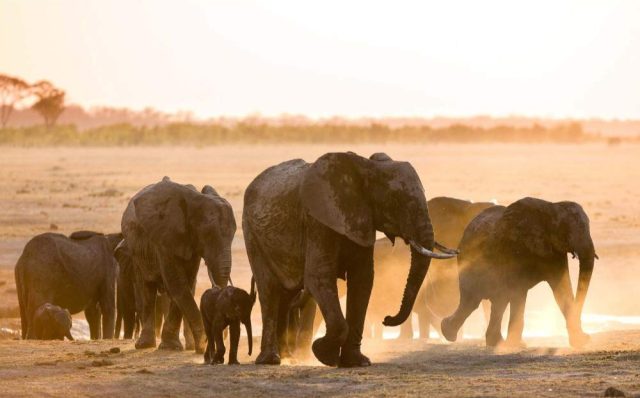
Hwange National Park is Zimbabwe’s largest game reserve and one of Africa's premier wildlife destinations. Spanning over 14,600 square kilometers, the park is located in the western part of Zimbabwe, close to the border with Botswana. Established in 1928, it is named after the Hwange people who originally inhabited the area. The park is famous for its impressive populations of elephants, diverse wildlife, and stunning landscapes, including savannas, salt pans, and lush wetlands.


It’s a popular destination for safari lovers due to its rich biodiversity, accessible game viewing, and tranquil surroundings. Hwange is often considered one of the best places in Zimbabwe to experience a true African wilderness.

Country
Zimbabwe flag Zimbabwe
Safaris
1 packages
When to Visit
Dry Season (June to October): This is the peak safari season, especially for elephant sightings. During the dry months, animals congregate around the park’s waterholes, making it easier to spot them. The lack of vegetation also enhances visibility.
Green Season (November to April): While the green season offers lush landscapes and abundant birdlife, wildlife is harder to spot as animals disperse across the park. However, this is an excellent time for birdwatching and experiencing the park in a different, quieter way.
Peak season
Shoulder season
Wet / off-season
Wildlife
Elephants

The park is renowned for its large elephant population, with around 40,000 elephants residing here. Hwange has one of the highest concentrations of elephants in Africa.

Big Cats

Lion, leopard, and cheetah can all be found in Hwange, though leopard sightings are rare due to their elusive nature.

Buffalo

The park is also known for large herds of buffalo, which are often spotted in the early mornings and evenings.

Other Mammals

The park also boasts populations of giraffes, zebras, wildebeest, impala, kudu, hyena, and many other herbivores and predators.

Predators

Wild dogs, hyenas, and leopards are some of the major predators in the park, often seen during early morning or late afternoon game drives.

Safari Packages View all
Health
  While Hwange is a relatively safe destination, there are several health and safety considerations for visitors:   Vaccinations: It’s recommended to have vaccinations for diseases like yellow fever, hepatitis A & B, and typhoid before traveling. Malaria prophylaxis is also suggested, as the park lies within a malaria zone. Safari Safety: Visitors should always be accompanied by experienced and knowledgeable guides while on safari. Wildlife in Hwange can be dangerous, so safety precautions, like remaining inside vehicles and avoiding risky areas, should be strictly followed. Water: Always drink bottled water, as tap water in the region may not be safe. Sun Protection: The sun can be intense, especially during the dry season. Wear sunscreen, hats, and long sleeves to protect yourself from sunburn.
Safety
  While Hwange is a relatively safe destination, there are several health and safety considerations for visitors:   Vaccinations: It’s recommended to have vaccinations for diseases like yellow fever, hepatitis A & B, and typhoid before traveling. Malaria prophylaxis is also suggested, as the park lies within a malaria zone. Safari Safety: Visitors should always be accompanied by experienced and knowledgeable guides while on safari. Wildlife in Hwange can be dangerous, so safety precautions, like remaining inside vehicles and avoiding risky areas, should be strictly followed. Water: Always drink bottled water, as tap water in the region may not be safe. Sun Protection: The sun can be intense, especially during the dry season. Wear sunscreen, hats, and long sleeves to protect yourself from sunburn.
Get There
  Hwange National Park is easily accessible from Zimbabwe's major cities:   By Road: The park is about a 2.5-hour drive (about 100 km) from the town of Victoria Falls. It can be accessed by self-drive or organized safari transfers. There are also roads from Bulawayo (about 200 km away) and Harare (about 450 km away). By Air: The nearest airport to Hwange National Park is the Hwange National Park Airport (formerly known as the Hwange Main Airport), which is located just outside the park. Scheduled flights from Victoria Falls and other major cities are available. Visitors can also opt for chartered flights directly into the park. Transfers: Many safari lodges and camps offer air transfers or road transfers to Hwange from Victoria Falls, Bulawayo, or the Hwange Airport.
Plan My Trip to Hwange National Park
Frequently Asked Questions


  1. What is the entry fee for Hwange National Park?

    • Entry fees vary depending on your nationality and whether you are a resident or non-resident. It is advisable to check the current rates on the Zimbabwe Parks and Wildlife Authority website before your trip.
  2. Can I visit Hwange year-round?

    • Yes, Hwange is open year-round, but the best wildlife viewing is during the dry season (June to October).
  3. Are there guided tours available in Hwange?

    • Yes, there are various safari companies that offer guided tours within the park, including day and overnight safari trips. Lodges and camps also offer guided game drives and walking safaris.
  4. What type of accommodation is available?

    • Hwange has a range of accommodation options, including luxury lodges, tented camps, and budget-friendly options. Some lodges are located on the park’s boundaries, while others offer deeper immersion within the park.
  5. Is Hwange safe to visit?

    • Yes, Hwange is generally safe for tourists, but, as with any wildlife destination, it’s essential to follow safety guidelines and listen to your guide’s instructions.
  6. Are there any nearby attractions?

    • Yes, Hwange is relatively close to the famous Victoria Falls, which is a must-see natural wonder of the world. The nearby Zambezi River also offers activities like river cruises and fishing.


Visiting Hwange National Park provides an immersive wildlife experience, with diverse ecosystems, abundant wildlife, and a chance to connect with nature in one of Africa’s most impressive game reserves.

Still have questions?
Our safari specialists respond within 24 hours.
Ask an Expert
Birds


Hwange is a birdwatcher's paradise, with over 400 species recorded within the park. This makes it one of the best birding destinations in Southern Africa. Some notable species include:


  • Vultures: Various species of vultures can be seen, including the endangered white-backed vulture.
  • Raptors: A number of birds of prey, such as the Martial eagle and Tawny eagle, are frequently spotted.
  • Waterbirds: The park’s wetlands attract waterfowl like the African spoonbill, white-faced whistling duck, and flamingos.
  • Other Birds: Hwange also hosts a wide variety of other bird species, including hornbills, kestrels, and the rare Brown-headed parrot.
Weather & Climate


Hwange experiences a typical semi-arid climate with distinct wet and dry seasons:


  • Dry Season (May to October): The dry season is characterized by warm to hot temperatures. Daytime temperatures can reach around 30°C (86°F), while nights can become chilly, especially in June and July.
  • Wet Season (November to April): The wet season sees cooler temperatures, with rain usually occurring in the late afternoon. This is the time for lush green landscapes, but temperatures can rise to about 35°C (95°F) during the day.


Visitors should be prepared for the heat during the dry season, while the wet season can bring cooler nights and occasional thunderstorms.

FAQs


  1. What is the entry fee for Hwange National Park?

    • Entry fees vary depending on your nationality and whether you are a resident or non-resident. It is advisable to check the current rates on the Zimbabwe Parks and Wildlife Authority website before your trip.
  2. Can I visit Hwange year-round?

    • Yes, Hwange is open year-round, but the best wildlife viewing is during the dry season (June to October).
  3. Are there guided tours available in Hwange?

    • Yes, there are various safari companies that offer guided tours within the park, including day and overnight safari trips. Lodges and camps also offer guided game drives and walking safaris.
  4. What type of accommodation is available?

    • Hwange has a range of accommodation options, including luxury lodges, tented camps, and budget-friendly options. Some lodges are located on the park’s boundaries, while others offer deeper immersion within the park.
  5. Is Hwange safe to visit?

    • Yes, Hwange is generally safe for tourists, but, as with any wildlife destination, it’s essential to follow safety guidelines and listen to your guide’s instructions.
  6. Are there any nearby attractions?

    • Yes, Hwange is relatively close to the famous Victoria Falls, which is a must-see natural wonder of the world. The nearby Zambezi River also offers activities like river cruises and fishing.


Visiting Hwange National Park provides an immersive wildlife experience, with diverse ecosystems, abundant wildlife, and a chance to connect with nature in one of Africa’s most impressive game reserves.