Home › Parks & Destinations › Kenya flag Kenya › Lake Nakuru National Park

Lake Nakuru National Park

Kenya flag Kenya 25 Safaris 11 Operators
Location Kenya flag Kenya
Park Type —
Safari Packages 25
Verified Operators 11
About Lake Nakuru National Park

Lake Nakuru National Park is located in central Kenya, renowned for its diverse wildlife and breathtaking landscapes. It covers approximately 188 square kilometers and is situated around Lake Nakuru, a shallow soda lake that is famous for its large populations of flamingos. The park, which is part of the Great Rift Valley ecosystem, is home to a variety of ecosystems, including savannah, forest, a...

Lake Nakuru National Park is located in central Kenya, renowned for its diverse wildlife and breathtaking landscapes. It covers approximately 188 square kilometers and is situated around Lake Nakuru, a shallow soda lake that is famous for its large populations of flamingos. The park, which is part of the Great Rift Valley ecosystem, is home to a variety of ecosystems, including savannah, forest, and wetlands, making it a unique destination for nature lovers.


The park was first established as a bird sanctuary in 1961 and later upgraded to a national park in 1968. It is one of Kenya's most visited parks, offering opportunities for both game drives and birdwatching. Lake Nakuru National Park is also a UNESCO World Heritage Site due to its ecological significance.


Country
Kenya flag Kenya
Safaris
25 packages
When to Visit
For birdwatching: The dry season, from July to September and January to February, is ideal as many migratory birds visit the lake during these months.
For wildlife viewing: The months of June to October are excellent for game viewing because animals congregate around water sources, making it easier to spot them.
Flamingo viewing: The long rains (March-May) and short rains (October-December) periods can lead to higher numbers of flamingos along the lake.
Peak season
Shoulder season
Wet / off-season
Wildlife
Lions

One of the park's star attractions, known for their unique behavior and sightings.

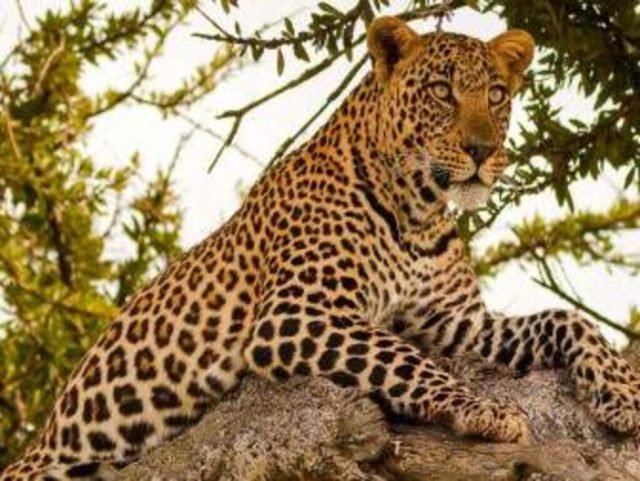
Leopards

Though elusive, leopards can be spotted in the park, especially near the forested areas.

Rhinos

Both black and white rhinos reside in the park. The rhino sanctuary here is one of the most important in Kenya.

Giraffes

The park is home to the Rothschild giraffe, a subspecies that is endangered.

Zebras

Plains and Grevy's zebras are common here.

Buffaloes

Large herds of buffalo roam the park.

Warthogs

Frequently seen foraging across the park.

Safari Packages View all
Health
  Vaccinations: Travelers are advised to get routine vaccines, as well as those for yellow fever (mandatory if traveling from endemic areas) and typhoid. Malaria prophylaxis is recommended for certain areas around the park. Health Care: The nearest hospital to the park is in Nakuru town, which offers general medical services. Safety Tips: It is advised to stay within the designated areas and follow park rules, especially when on game drives, as wildlife can be unpredictable. Keep a safe distance from the animals and avoid engaging in risky behaviors such as feeding the animals. Always travel with a guide when exploring the park, as they are trained in handling wildlife and emergencies. Carry adequate supplies of water, sunscreen, and snacks, especially if visiting during the hotter months.
Safety
  Vaccinations: Travelers are advised to get routine vaccines, as well as those for yellow fever (mandatory if traveling from endemic areas) and typhoid. Malaria prophylaxis is recommended for certain areas around the park. Health Care: The nearest hospital to the park is in Nakuru town, which offers general medical services. Safety Tips: It is advised to stay within the designated areas and follow park rules, especially when on game drives, as wildlife can be unpredictable. Keep a safe distance from the animals and avoid engaging in risky behaviors such as feeding the animals. Always travel with a guide when exploring the park, as they are trained in handling wildlife and emergencies. Carry adequate supplies of water, sunscreen, and snacks, especially if visiting during the hotter months.
Get There
  Lake Nakuru National Park is easily accessible from Nairobi, Kenya’s capital city. Here are the most common ways to reach the park:   By Road: The park is about 160 kilometers (99 miles) northwest of Nairobi, a journey that takes around 2 to 3 hours by car. The most common route is via the Nakuru-Nairobi Highway (A104), which is well-maintained and passes through scenic areas. By Air: The closest airport is Nakuru Airport, located about 20 kilometers from the park. There are also chartered flights from Nairobi’s Wilson Airport to Nakuru. By Train: The SGR train service from Nairobi to Nakuru is another way to travel, though it’s less common for tourists compared to road travel.
Plan My Trip to Lake Nakuru National Park
Frequently Asked Questions


1. What is the entry fee for Lake Nakuru National Park?
Entry fees vary depending on nationality and age group. As of the latest information, charges for non-residents are higher than for residents and citizens. It is advisable to check with the Kenya Wildlife Service for up-to-date pricing.

2. Is it safe to visit Lake Nakuru National Park?
Yes, Lake Nakuru National Park is generally considered safe for tourists. However, as with any wildlife area, it is recommended to follow safety guidelines and be cautious when interacting with wildlife.

3. Can I stay inside Lake Nakuru National Park?
Yes, there are several accommodation options within the park, ranging from lodges and campsites to luxury resorts. Some popular places include Sarova Lion Hill Game Lodge and Lake Nakuru Lodge.

4. What animals can be seen in Lake Nakuru?
In addition to the flamingos, visitors can expect to see a wide range of wildlife, including lions, leopards, rhinos, giraffes, and buffaloes.

5. Can I do a night game drive in Lake Nakuru?
Night game drives are not permitted in Lake Nakuru National Park. However, daytime game drives provide ample opportunities to observe the wildlife.

6. Are there any walking safaris available?
Yes, walking safaris are available, though they are typically conducted with an armed ranger for safety.


Lake Nakuru National Park offers a unique blend of stunning landscapes, rich wildlife, and vibrant birdlife. Whether you are a photographer, birdwatcher, or wildlife enthusiast, this park offers unforgettable experiences for all types of visitors.

Still have questions?
Our safari specialists respond within 24 hours.
Ask an Expert
Birds


Lake Nakuru is internationally recognized as a birdwatching haven. Over 450 bird species have been recorded here, making it one of Kenya’s most significant birding destinations. The highlight is the greater and lesser flamingos that often form vast, colorful flocks along the lake's shores. Apart from flamingos, the park is home to:


  • Pelicans: Both the great white and pink-backed pelicans can be found here.
  • African Fish Eagles: Commonly seen perched on trees or soaring above the lake.
  • Marabou Storks: These large, scavenger birds are frequent visitors around the lake.
  • Egrets and Herons: Various species of these wading birds thrive in the park's wetlands.
  • Bird of Prey: Including various species of hawks, kites, and vultures.


The park's varied environments wetlands, grasslands, and woodlands offer great habitats for a wide variety of birds.

Weather & Climate


Lake Nakuru National Park experiences a moderate climate, typical of the Kenyan highlands.


  • Rainy season: The park experiences two main rainy seasons. The long rains (from March to May) and short rains (from October to December).
  • Dry season: The dry months from June to September and January to February offer the most pleasant weather for outdoor activities.
  • Temperature: Temperatures range from 18°C (64°F) to 25°C (77°F) during the day and can drop to around 12°C (54°F) at night.
  • Humidity: The humidity can be relatively high, especially during the rainy months.
FAQs


1. What is the entry fee for Lake Nakuru National Park?
Entry fees vary depending on nationality and age group. As of the latest information, charges for non-residents are higher than for residents and citizens. It is advisable to check with the Kenya Wildlife Service for up-to-date pricing.

2. Is it safe to visit Lake Nakuru National Park?
Yes, Lake Nakuru National Park is generally considered safe for tourists. However, as with any wildlife area, it is recommended to follow safety guidelines and be cautious when interacting with wildlife.

3. Can I stay inside Lake Nakuru National Park?
Yes, there are several accommodation options within the park, ranging from lodges and campsites to luxury resorts. Some popular places include Sarova Lion Hill Game Lodge and Lake Nakuru Lodge.

4. What animals can be seen in Lake Nakuru?
In addition to the flamingos, visitors can expect to see a wide range of wildlife, including lions, leopards, rhinos, giraffes, and buffaloes.

5. Can I do a night game drive in Lake Nakuru?
Night game drives are not permitted in Lake Nakuru National Park. However, daytime game drives provide ample opportunities to observe the wildlife.

6. Are there any walking safaris available?
Yes, walking safaris are available, though they are typically conducted with an armed ranger for safety.


Lake Nakuru National Park offers a unique blend of stunning landscapes, rich wildlife, and vibrant birdlife. Whether you are a photographer, birdwatcher, or wildlife enthusiast, this park offers unforgettable experiences for all types of visitors.