Home › Destinations › Burundi flag Burundi
Safari Destination

Burundi flag Burundi

The Land of a Thousand Hills and Drums

Best: June to August (Cool and dry) December to February (Warm and dry) 7 Parks 6 Operators Kirundi (official), French (official), English (official), Swahili (commonly spoken in business and trade)
Best Season June to August (Cool and dry) December to February (Warm and dry)
Safari Packages 5
Verified Operators 6
Parks & Reserves 7
About Burundi flag Burundi

Burundi: A Small Country with Rich Culture and Natural Beauty Burundi is a landlocked country in East Africa, bordered by Rwanda to the north, Tanzania to the east and south, and the Democratic Republic of the Congo to the west. The country has a population of around 12 million people, with Bujumbura as its largest city and former capital, while Gitega serves as the current political capital. Geography and Climate Burundi is characterized by rolling hills, mountains, and scenic lakes, including Lake Tanganyika, one of the world's deepest freshwater lakes. The country has a tropical climate, with two wet seasons and two dry seasons, making agriculture an essential part of its economy. Culture and People The Burundian people belong mainly to three ethnic groups: the Hutu, Tutsi, and Twa. Kirundi is the official language, alongside French and English. The country's culture is deeply rooted in traditions, music, and dance, with drumming being a significant part of its heritage. Economy and Tourism Burundi’s economy relies heavily on agriculture, with coffee and tea as major exports. Despite economic challenges, the country has great potential for tourism, offering beautiful landscapes, wildlife reserves, and cultural experiences. Notable attractions include Kibira National Park, Rusizi National Park, and the vibrant life around Lake Tanganyika. History and Governance Burundi gained independence from Belgium in 1962 and has since experienced political instability and conflicts. Today, it is a republic with efforts to promote peace, development, and economic growth. Though still developing, Burundi is a country rich in history, culture, and natural beauty, making it a unique destination in East Africa. Burundi Travel Guide: Everything You Need to Know Burundi, often referred to as the “Heart of Africa,” is a hidden gem for travelers looking for off-the-beaten-path experiences. Despite its small size, the country offers stunning landscapes, rich cultural heritage, and warm hospitality. Here’s everything you need to know before visiting Burundi. 1. Essential Travel Information Visa Requirements Most visitors require a visa to enter Burundi. Visas can be obtained at Burundian embassies or online via an e-visa system. A single-entry visa typically costs between $40–$90, depending on nationality. Best Time to Visit Dry Season (June – September, December – February) : Best for wildlife viewing and outdoor activities. Wet Season (March – May, October – November) : Lush green landscapes but some roads may be challenging. Currency & Payments Currency: Burundian Franc (BIF) USD is widely accepted, especially in hotels and major tourist areas. Credit cards are not commonly used; bring cash for smaller purchases. Language Kirundi is the primary language. French and English are also spoken, especially in business and tourism sectors. Safety & Travel Tips While Burundi is generally safe, political tensions can arise. Always check government travel advisories before visiting. Travel with a local guide for the best experience and safety. Avoid traveling at night in rural areas. Respect local customs and traditions when interacting with people. 2. Top Places to Visit in Burundi 1. Bujumbura – The Vibrant Capital Lake Tanganyika – One of Africa’s Great Lakes, perfect for boat rides and fishing. Livingstone-Stanley Monument – Historical site marking the meeting of explorers Livingstone and Stanley. Saga Beach – A beautiful, relaxing spot along the shores of Lake Tanganyika. 2. Gitega – The Cultural Capital Burundi National Museum – Learn about Burundi’s history, traditions, and art. Gishora Drum Sanctuary – A must-visit to experience Burundi’s iconic royal drumming culture. 3. Kibira National Park A rainforest sanctuary home to chimpanzees, colobus monkeys, and rare bird species. Ideal for hiking, birdwatching, and nature photography. 4. Rusizi National Park Located near Bujumbura, this park is home to hippos, crocodiles, and numerous bird species. The Rusizi River Delta is perfect for boat safaris. 5. Karera Waterfalls A breathtaking series of waterfalls hidden in lush greenery, great for hiking and photography. 6. Mount Heha The highest peak in Burundi, offering excellent trekking opportunities and stunning views of the countryside. 3. Food & Dining in Burundi Traditional Dishes to Try Brochettes – Grilled meat skewers, commonly found in street stalls. Isombe – A dish made of cassava leaves cooked with peanuts. Mukeke – A famous freshwater fish from Lake Tanganyika. Uburobe – A porridge made from sorghum or millet. Where to Eat Le Café Gourmand (Bujumbura) – Great for pastries, coffee, and international cuisine. Ubuntu Residence (Bujumbura) – Offers a mix of local and Western dishes with a nice lake view. Belvédère Restaurant – Famous for its scenic hilltop location and delicious seafood. 4. Accommodation in Burundi Luxury Hotels Kiriri Garden Hotel (Bujumbura) – A top-rated hotel with lake views and excellent service. Hotel Club du Lac Tanganyika (Bujumbura) – A beachfront hotel with great facilities. Mid-Range Hotels Urban Lodge (Bujumbura) – A cozy boutique hotel with a friendly atmosphere. Dolce Vita Resort Hotel – Comfortable and affordable with a restaurant and garden. Budget Stays King’s Conference Centre – Budget-friendly with good facilities. Guesthouses in Gitega and Bujumbura – Many affordable options for backpackers. 5. Transportation & Getting Around Bujumbura International Airport (BJM) – The main entry point with flights from Nairobi, Addis Ababa, and Kigali. Taxis & Boda-Bodas – Common in cities, but negotiate fares before boarding. Car Rentals – Available for those who prefer to explore independently. Buses & Minibuses – The cheapest way to travel between cities, though they can be crowded. 6. Cultural Etiquette & Useful Tips Greeting customs : A handshake is common; close friends may hug. Dress modestly : Especially in rural areas and religious sites. Photography : Always ask permission before taking photos of people. Tipping : Not mandatory but appreciated in restaurants and for guides. Final Thoughts Burundi may not be a mainstream travel destination, but it offers incredible experiences for those seeking adventure, cultural immersion, and natural beauty. Whether you want to explore national parks, relax by Lake Tanganyika, or experience the country’s rich traditions, Burundi has something unique to offer.

Capital
Gitega (official), but Bujumbura remains the economic hub.
Currency
Burundian Franc (BIF)
Time Zone
Central Africa Time (CAT) – GMT+2
Languages
Kirundi (official), French (official), English (official), Swahili (commonly spoken in business and trade)
Best Time
June to August (Cool and dry) December to February (Warm and dry)
Price Range
Budget Safari: $100 – $250 per day Mid-Range Safari: $250 – $500 per day Luxury Safari: $500 – $1,000+ per day
Operators
6 vetted operators
Parks
7 parks & reserves
Safaris
5 packages listed
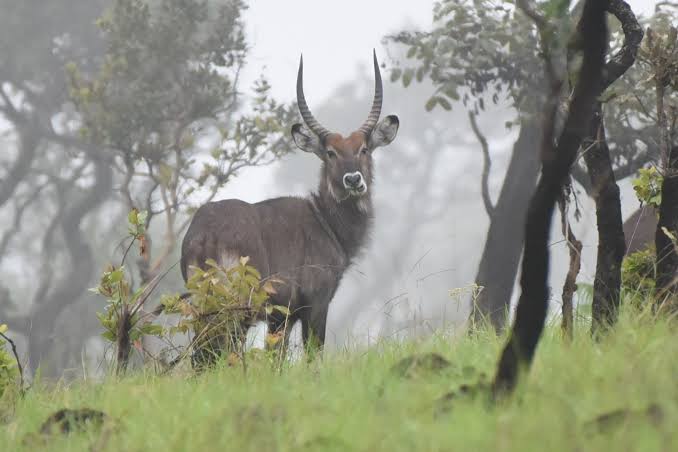
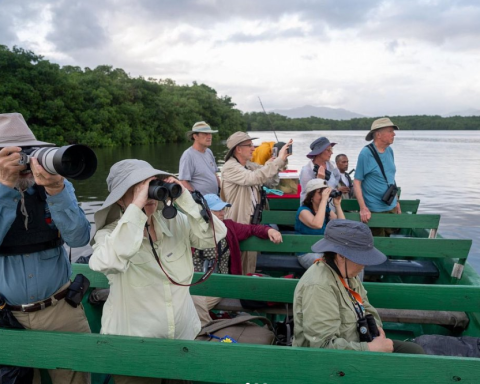
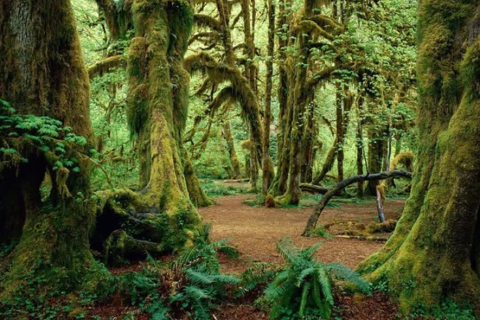
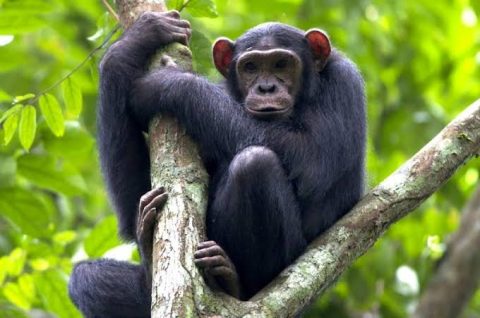
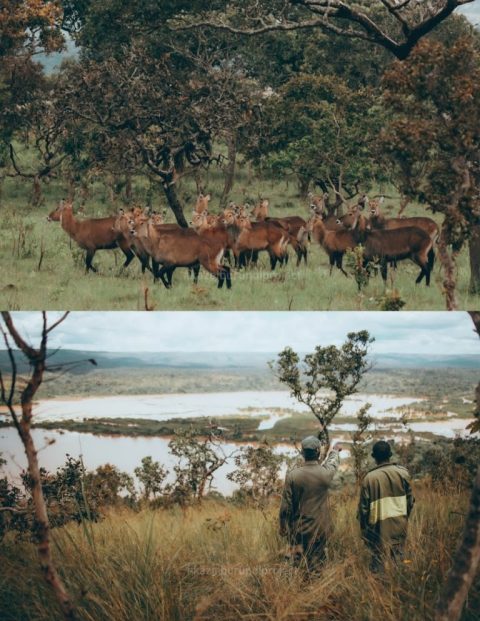
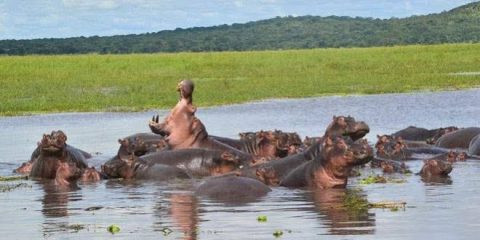
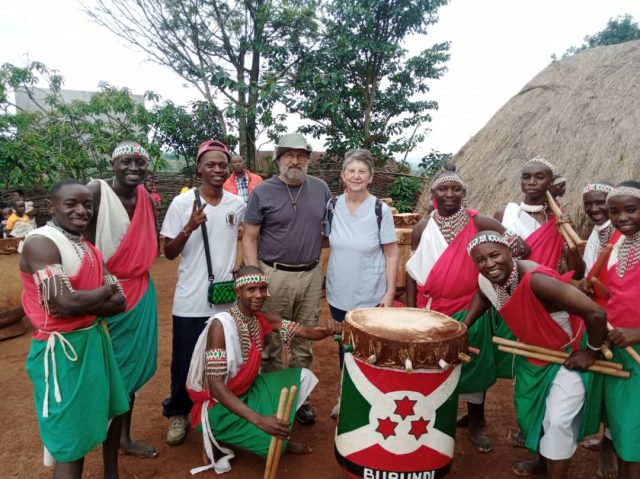
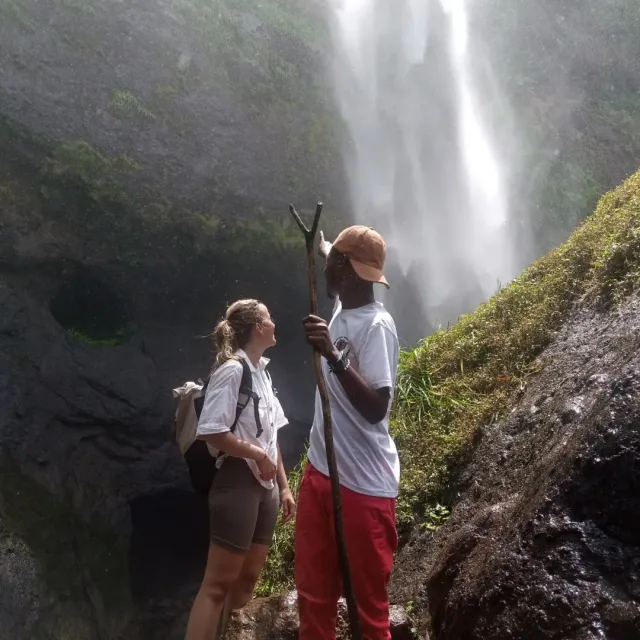
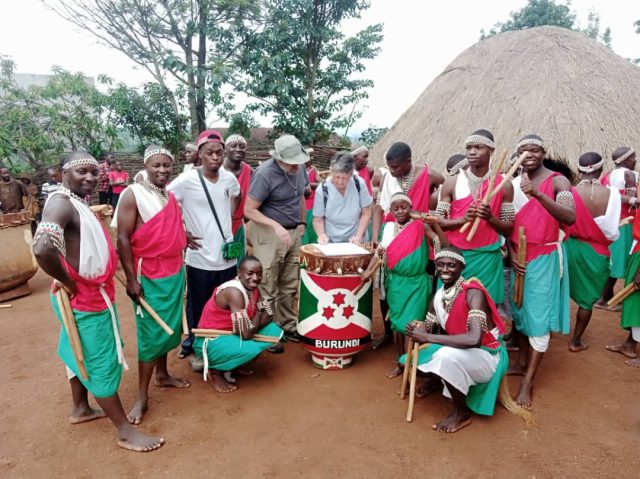
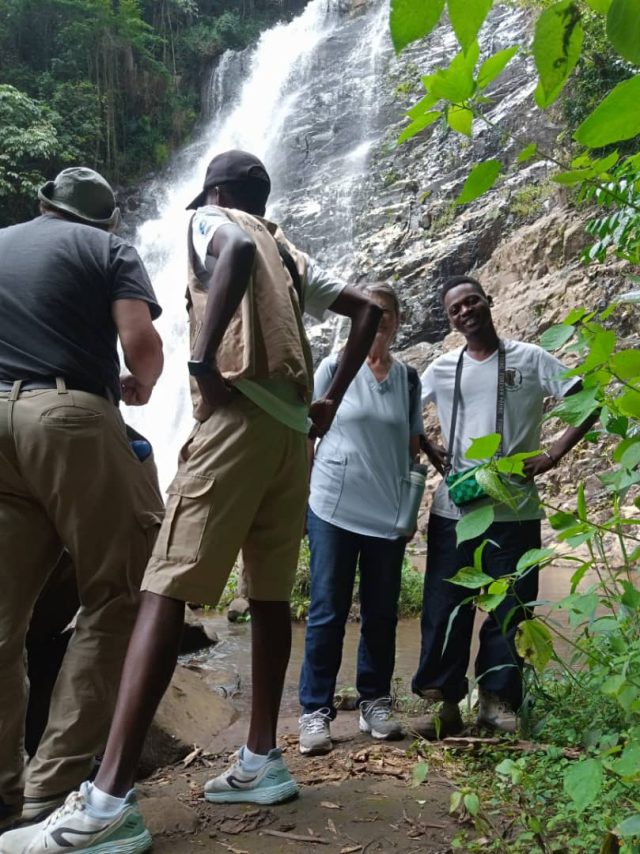
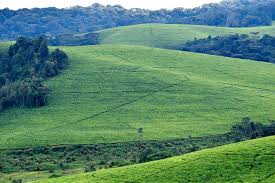
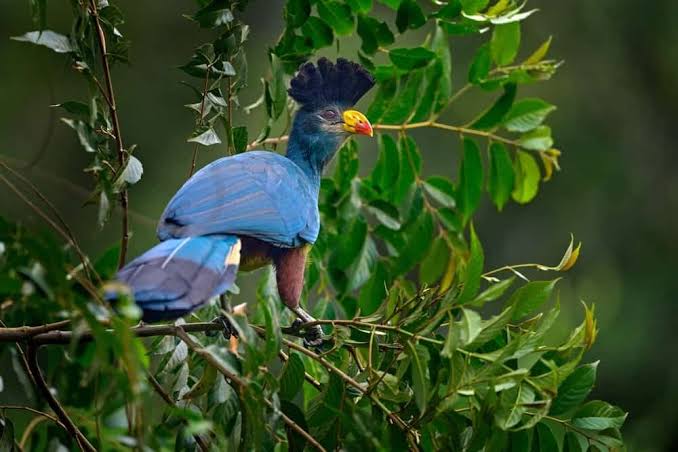
Burundi scenery Burundi scenery Burundi scenery
When to Visit
Recommended: June to August (Cool and dry) December to February (Warm and dry)

Dry Season (June – September, December – February): Best for wildlife viewing and outdoor activities. Wet Season (March – May, October – November): Lush green landscapes but some roads may be challenging.

Season 1

Dry Season (June – September, December – February) Best for wildlife viewing and outdoor activities. Wet Season (March – May, October – November) Lush green landscapes but some roads may be challenging.

Top Parks & Reserves View all
Lake Rwihinda Natural Reserve

Lake Rwihinda Natural Reserve

Lake Rwihinda Natural Reserve is one of Burundi’s most breathtaking natural att...

Burundi flag Burundi
View Details
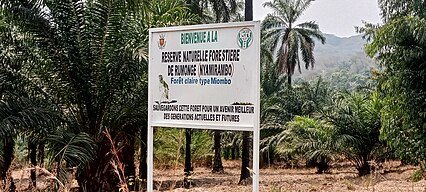
Rumonge Nature Reserve

Rumonge Nature Reserve

Nestled in the southwestern region of Burundi, Rumonge Nature Reserve is a hidden gem...

Burundi flag Burundi
View Details
Kigwena Natural Reserve

Kigwena Natural Reserve

Nestled in the southwestern part of Burundi, Kigwena Natural Reserve is a hidden gem...

Burundi flag Burundi
View Details
Bururi Forest Nature Reserve

Bururi Forest Nature Reserve

Bururi Forest Nature Reserve is a breathtaking tropical forest located in southern Bu...

Burundi flag Burundi
View Details
Ruvubu National Park

Ruvubu National Park

Ruvubu National Park is the largest national park in Burundi, covering over 508 squar...

Burundi flag Burundi
View Details
Rusizi National Park

Rusizi National Park

Rusizi National Park, located near Bujumbura, is one of Burundi’s top wildlife...

Burundi flag Burundi
View Details
Safari Packages View all
Top-Rated Operators View all
Tour Types: Private Tour
Price Range: $100.00 - $4000.00 /person
Destinations: Tanzania flag Tanzania Kenya flag Kenya South Africa flag South Africa Botswana flag Botswana Namibia flag Namibia Zambia flag Zambia Rwanda flag Rwanda Uganda flag Uganda Zimbabwe flag Zimbabwe Comoros flag Comoros Mozambique flag Mozambique Madagascar flag Madagascar Lesotho flag Lesotho Mauritius flag Mauritius Malawi flag Malawi Eswatini (Swaziland) flag Eswatini (Swaziland) Burundi flag Burundi +15 more
Safety
While Burundi is generally safe, political tensions can arise. Always check government travel advisories before visiting. Travel with a local guide for the best experience and safety. Avoid traveling at night in rural areas. Respect local customs and traditions when interacting with people.
Get There
Bujumbura International Airport (BJM) – The main entry point with flights from Nairobi, Addis Ababa, and Kigali. Taxis & Boda-Bodas – Common in cities, but negotiate fares before boarding. Car Rentals – Available for those who prefer to explore independently. Buses & Minibuses – The cheapest way to travel between cities, though they can be crowded.
Plan My Trip to Burundi flag Burundi
Burundi: A Small Country with Rich Culture and Natural Beauty

Burundi is a landlocked country in East Africa, bordered by Rwanda to the north, Tanzania to the east and south, and the Democratic Republic of the Congo to the west. The country has a population of around 12 million people, with Bujumbura as its largest city and former capital, while Gitega serves as the current political capital. Geography and Climate Burundi is characterized by rolling hills, mountains, and scenic lakes, including Lake Tanganyika, one of the world's deepest freshwater lakes. The country has a tropical climate, with two wet seasons and two dry seasons, making agriculture an essential part of its economy. Culture and People The Burundian people belong mainly to three ethnic groups: the Hutu, Tutsi, and Twa. Kirundi is the official language, alongside French and English. The country's culture is deeply rooted in traditions, music, and dance, with drumming being a significant part of its heritage. Economy and Tourism Burundi’s economy relies heavily on agriculture, with coffee and tea as major exports. Despite economic challenges, the country has great potential for tourism, offering beautiful landscapes, wildlife reserves, and cultural experiences. Notable attractions include Kibira National Park, Rusizi National Park, and the vibrant life around Lake Tanganyika. History and Governance Burundi gained independence from Belgium in 1962 and has since experienced political instability and conflicts. Today, it is a republic with efforts to promote peace, development, and economic growth. Though still developing, Burundi is a country rich in history, culture, and natural beauty, making it a unique destination in East Africa.

Visa Requirements

Most visitors require a visa to enter Burundi. Visas can be obtained at Burundian embassies or online via an e-visa system. A single-entry visa typically costs between $40–$90, depending on nationality.

Currency & Payments

Currency: Burundian Franc (BIF) USD is widely accepted, especially in hotels and major tourist areas. Credit cards are not commonly used; bring cash for smaller purchases.

Language

Kirundi is the primary language. French and English are also spoken, especially in business and tourism sectors.

Bujumbura – The Vibrant Capital

Lake Tanganyika – One of Africa’s Great Lakes, perfect for boat rides and fishing. Livingstone-Stanley Monument – Historical site marking the meeting of explorers Livingstone and Stanley. Saga Beach – A beautiful, relaxing spot along the shores of Lake Tanganyika.

Gitega – The Cultural Capital

Burundi National Museum – Learn about Burundi’s history, traditions, and art. Gishora Drum Sanctuary – A must-visit to experience Burundi’s iconic royal drumming culture.

Kibira National Park

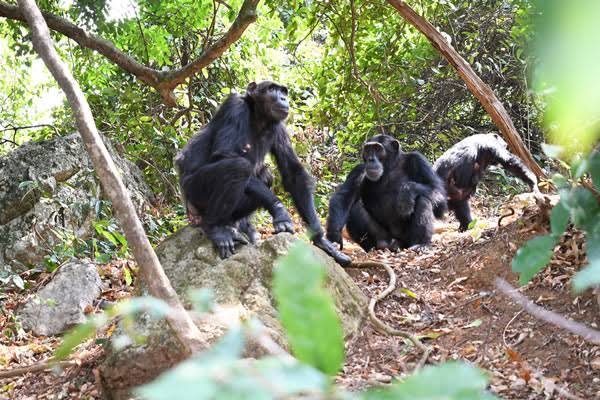
A rainforest sanctuary home to chimpanzees, colobus monkeys, and rare bird species. Ideal for hiking, birdwatching, and nature photography.

Rusizi National Park

Located near Bujumbura, this park is home to hippos, crocodiles, and numerous bird species. The Rusizi River Delta is perfect for boat safaris.

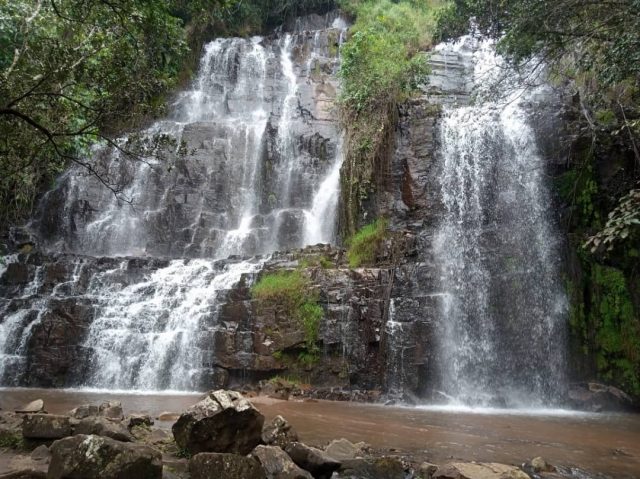
Karera Waterfalls

A breathtaking series of waterfalls hidden in lush greenery, great for hiking and photography.

Mount Heha

The highest peak in Burundi, offering excellent trekking opportunities and stunning views of the countryside.

Traditional Dishes to Try

Brochettes – Grilled meat skewers, commonly found in street stalls. Isombe – A dish made of cassava leaves cooked with peanuts. Mukeke – A famous freshwater fish from Lake Tanganyika. Uburobe – A porridge made from sorghum or millet.

Where to Eat

Le Café Gourmand (Bujumbura) – Great for pastries, coffee, and international cuisine. Ubuntu Residence (Bujumbura) – Offers a mix of local and Western dishes with a nice lake view. Belvédère Restaurant – Famous for its scenic hilltop location and delicious seafood.

Luxury Hotels

Kiriri Garden Hotel (Bujumbura) – A top-rated hotel with lake views and excellent service. Hotel Club du Lac Tanganyika (Bujumbura) – A beachfront hotel with great facilities.

Mid-Range Hotels

Urban Lodge (Bujumbura) – A cozy boutique hotel with a friendly atmosphere. Dolce Vita Resort Hotel – Comfortable and affordable with a restaurant and garden.

Budget Stays

King’s Conference Centre – Budget-friendly with good facilities. Guesthouses in Gitega and Bujumbura – Many affordable options for backpackers.

Cultural Etiquette & Useful Tips

Greeting customs: A handshake is common; close friends may hug. Dress modestly: Especially in rural areas and religious sites. Photography: Always ask permission before taking photos of people. Tipping: Not mandatory but appreciated in restaurants and for guides.

Final Thoughts

Burundi may not be a mainstream travel destination, but it offers incredible experiences for those seeking adventure, cultural immersion, and natural beauty. Whether you want to explore national parks, relax by Lake Tanganyika, or experience the country’s rich traditions, Burundi has something unique to offer.
Traveler Reviews

No reviews yet — be the first to share your Burundi experience.

Write a review