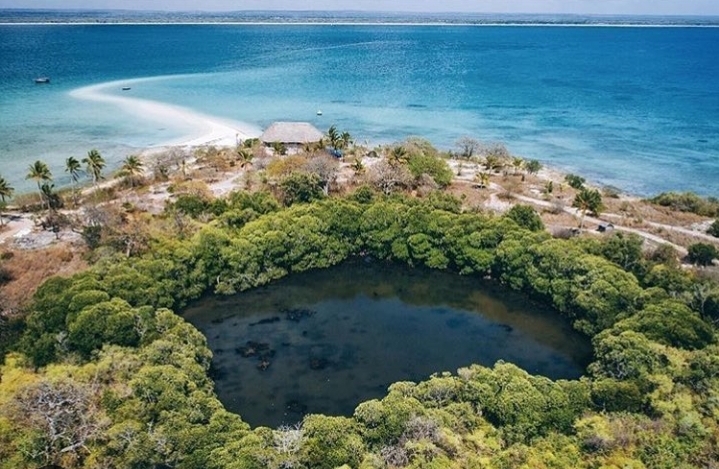
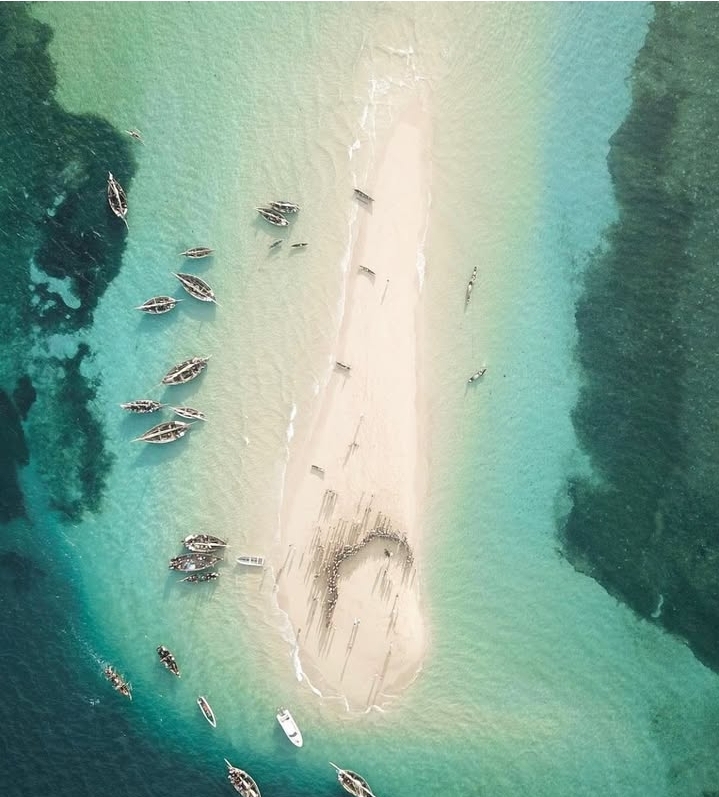
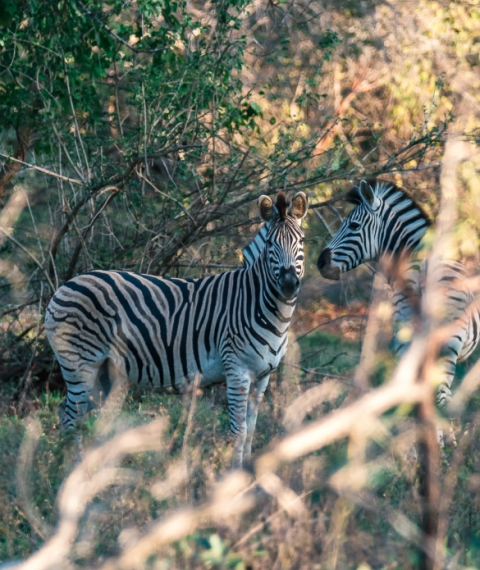
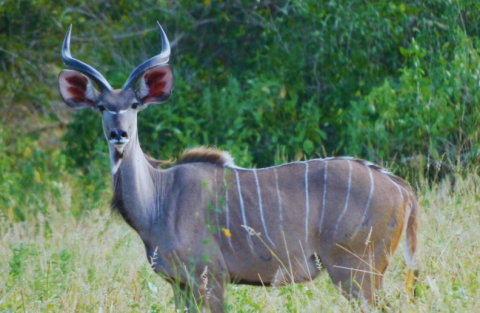
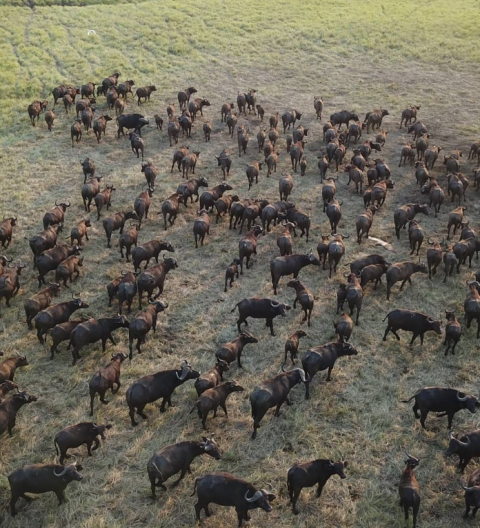
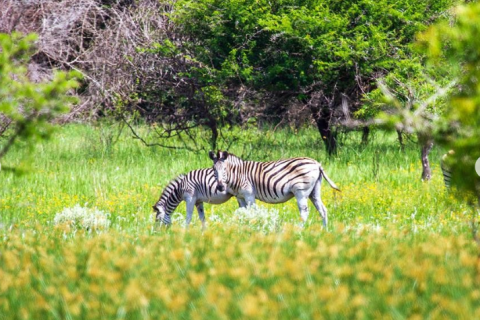
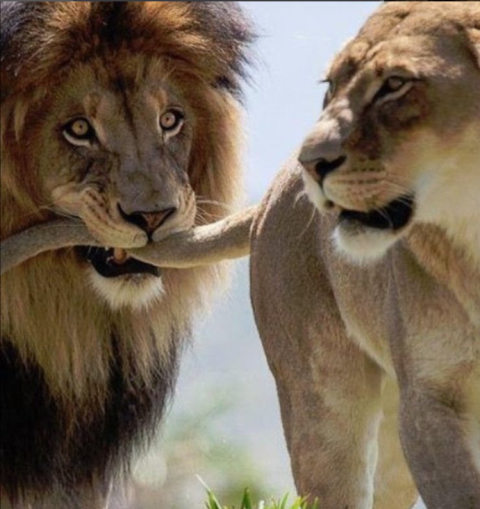
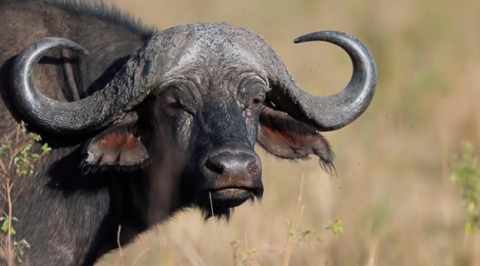

Mozambique is a stunning destination in Southern Africa, known for its pristine coastline, tropical islands, and diverse wildlife. The country offers a unique safari experience, combining traditional game drives with breathtaking marine safaris. Its national parks and reserves, such as Gorongosa National Park and Niassa Reserve, are home to elephants, lions, leopards, and rare bird species. Meanwhile, the Bazaruto and Quirimbas Archipelagos offer world-class diving, snorkeling, and dhow sailing adventures, making Mozambique a top choice for travelers seeking both wildlife and beach escapes.
Zinave National Park
Zinave National Park, located in the Gaza Province of Mozambique, is one of the count...
View DetailsNiassa Special Reserve
Niassa Special Reserve, located in the far north of Mozambique, is one of the largest...
View DetailsMarromeu National Reserve
Marromeu National Reserve is a protected area located in the Sofala Province of centr...
View DetailsMaputo National Park
Maputo National Park, located in the southernmost part of Mozambique, is one of the c...
View DetailsLimpopo National Park
Limpopo National Park is a pristine wildlife sanctuary situated in the southern part...
View DetailsGilé National Park
Gilé National Park is a vast and largely unexplored natural reserve located in...
View DetailsMozambique boasts a range of national parks and reserves that provide excellent opportunities for both classic and off-the-beaten-path safaris. Gorongosa National Park – Often called the "Serengeti of the South," this park is undergoing a remarkable restoration project, making it one of Africa’s most inspiring conservation stories. Visitors can spot elephants, lions, hippos, and an array of antelope species. Birdwatchers will find over 400 bird species, including the rare green-headed oriole. Niassa Reserve – Covering over 42,000 square kilometers, Niassa is one of Africa’s last true wilderness areas. It is home to significant elephant and wild dog populations, along with leopards, lions, and various antelope species. Limpopo National Park – Connected to South Africa’s Kruger National Park, this transfrontier park offers an opportunity to see a range of wildlife in a more remote and less crowded setting. Banhine and Zinave National Parks – Emerging safari destinations known for their birdlife, wetlands, and ongoing wildlife restoration efforts.
For adventure seekers, Mozambique offers a mix of land and water-based activities: Diving & Snorkeling: Bazaruto and Quirimbas Archipelagos provide world-class underwater experiences. Deep-Sea Fishing: The waters off Vilanculos and Pemba are famous for marlin, tuna, and barracuda fishing. Dhow Safaris: Traditional dhow boats offer scenic sailing trips around the islands. Kite Surfing & Water Sports: Tofo Beach and Vilanculos are great spots for kite surfing, windsurfing, and paddleboarding. Hiking & Nature Walks: Explore the Chimanimani Mountains near the Zimbabwe border for rugged landscapes and waterfalls.
Mozambique’s rich cultural heritage is a blend of African, Portuguese, Arab, and Indian influences. Portuguese Influence: Due to centuries of Portuguese colonial rule, the country retains European architectural styles, particularly in Maputo and Ilha de Moçambique (a UNESCO World Heritage Site). Music & Dance: Traditional music styles like Marrabenta (a fusion of Mozambican and Portuguese influences) and Timbila (xylophone-based music from the Chopi people) are integral to Mozambique’s cultural identity. Food: Mozambican cuisine is known for its bold flavors, including peri-peri (spicy chili sauce), fresh seafood, and coconut-based dishes. Popular dishes include Matapa (cassava leaves cooked with peanuts and coconut) and Piri Piri prawns. Local Traditions: The Makonde people, known for their intricate wood carvings, and the Swahili coastal communities, with their rich trade history, contribute to Mozambique’s diverse cultural landscape.
Most travelers need a visa, which can be obtained on arrival or through embassies. E-visas may also be available.