Home › Parks & Destinations › Uganda flag Uganda › Kibale National Park

Kibale National Park

Uganda flag Uganda 26 Safaris 11 Operators
Location Uganda flag Uganda
Park Type —
Safari Packages 26
Verified Operators 11
About Kibale National Park

Kibale National Park, located in western Uganda, is one of Africa’s premier destinations for primate tracking. Covering approximately 795 square kilometers, the park is renowned for its diverse ecosystem, ranging from moist evergreen rainforests to savanna grasslands and swamps. Established in 1993, it serves as a crucial habitat for chimpanzees and many other wildlife species.   Often...

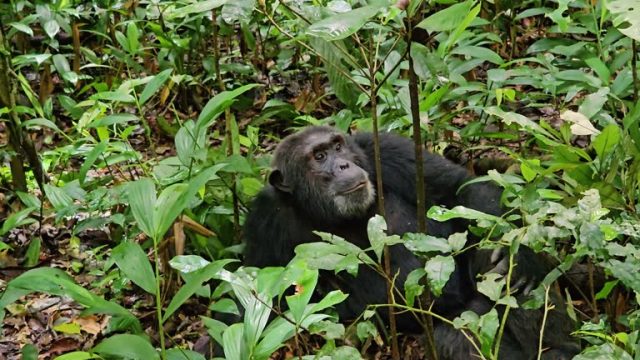
Kibale National Park, located in western Uganda, is one of Africa’s premier destinations for primate tracking. Covering approximately 795 square kilometers, the park is renowned for its diverse ecosystem, ranging from moist evergreen rainforests to savanna grasslands and swamps. Established in 1993, it serves as a crucial habitat for chimpanzees and many other wildlife species.


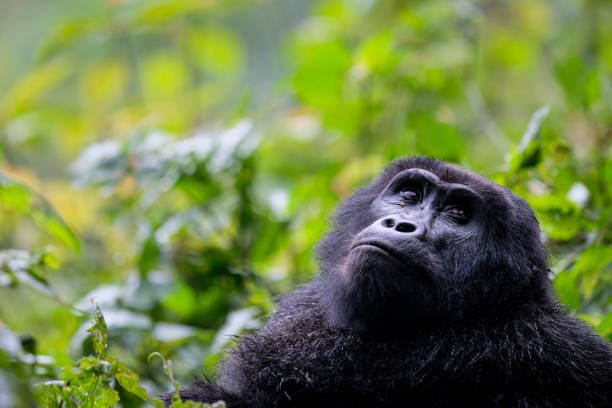
Often referred to as the "Primate Capital of the World", Kibale is home to 13 primate species, including red colobus monkeys, L'Hoest's monkeys, and grey-cheeked mangabeys. The park is also a biodiversity hotspot, offering remarkable opportunities for birdwatching, nature walks, and cultural encounters with local communities.

 

Country
Uganda flag Uganda
Safaris
26 packages
When to Visit
June to September
December to February
March to May
October to November
Peak season
Shoulder season
Wet / off-season
Wildlife
Primates

Red-tailed monkeys, black-and-white colobus monkeys, olive baboons, blue monkeys, and the rare Uganda mangabey.

Mammals

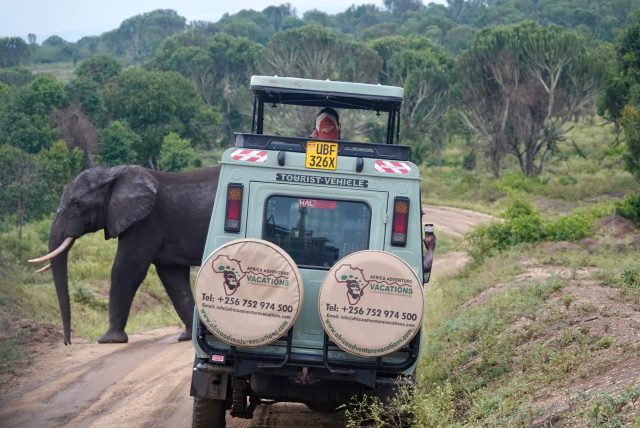
Forest elephants, bush pigs, African golden cats, duikers, and buffaloes.

Reptiles & Amphibians

Various species of snakes, frogs, and chameleons.

Butterflies

Over 250 species, making it an ideal location for butterfly enthusiasts.

Safari Packages View all
Health
  Vaccinations: Visitors should have vaccinations for yellow fever, hepatitis A & B, typhoid, and tetanus. Malaria Prevention: The area is malaria-prone, so carrying anti-malarial medication and using insect repellent is highly recommended. Safety During Treks: Always follow the guide’s instructions, maintain a safe distance from wildlife, and wear proper trekking shoes to navigate the forest terrain. Emergency Services: There are health centers in nearby towns, and medical evacuation services are available in case of emergencies.
Safety
  Vaccinations: Visitors should have vaccinations for yellow fever, hepatitis A & B, typhoid, and tetanus. Malaria Prevention: The area is malaria-prone, so carrying anti-malarial medication and using insect repellent is highly recommended. Safety During Treks: Always follow the guide’s instructions, maintain a safe distance from wildlife, and wear proper trekking shoes to navigate the forest terrain. Emergency Services: There are health centers in nearby towns, and medical evacuation services are available in case of emergencies.
Get There
  Kibale National Park is accessible by both road and air.   By Road From Kampala: The park is approximately 320 km (5-6 hours drive) from Uganda’s capital via Fort Portal. From Entebbe International Airport: Travelers can take a road trip or a domestic flight to a nearby airstrip. From Queen Elizabeth National Park: A drive from Queen Elizabeth National Park takes about 2-3 hours, making it convenient for safari extensions. By Air Daily domestic flights operate from Entebbe to Kasese Airstrip, which is about 1.5 hours' drive to Kibale National Park.
Plan My Trip to Kibale National Park
Frequently Asked Questions


1. Is a permit required for chimpanzee tracking?

Yes, a chimpanzee tracking permit is required and should be booked in advance through the Uganda Wildlife Authority (UWA).

2. What should I pack for my trip to Kibale National Park?

  • Light and breathable clothing
  • Waterproof hiking boots
  • Rain jacket
  • Binoculars for birdwatching
  • Camera for photography
  • Sunscreen and insect repellent

3. Can I see chimpanzees all year round?

Yes, chimpanzee tracking is available year-round, but sightings are more reliable during the dry seasons.

4. What other activities are available apart from chimpanzee tracking?

  • Bigodi Wetland Walk (birdwatching & community visits)
  • Nature walks
  • Nocturnal forest walks (spotting bush babies and night creatures)
  • Cultural encounters with local communities

5. Are there accommodations inside the park?

Yes, visitors can stay at a range of accommodations, from luxury lodges to budget-friendly campsites near the park. Popular options include Primate Lodge Kibale, Crater Safari Lodge, and Kibale Forest Camp.


Kibale National Park is a must-visit destination for primate lovers, birdwatchers, and nature enthusiasts. Whether you're seeking a thrilling chimpanzee trekking experience, immersive forest walks, or vibrant cultural interactions, Kibale offers an unforgettable adventure in the heart of Uganda’s wilderness.

Still have questions?
Our safari specialists respond within 24 hours.
Ask an Expert
Birds


Kibale National Park is a paradise for birdwatchers, boasting over 375 bird species, some of which are endemic to the Albertine Rift region.


Some notable bird species include:


  • African pitta
  • Green-breasted pitta
  • Great blue turaco
  • Abyssinian ground thrush
  • Crowned eagle
  • Western nicator
  • African grey parrot


Birdwatching is best done during the early morning and late afternoon, particularly in the Bigodi Wetland Sanctuary, an excellent birding hotspot near the park.

Weather & Climate


Kibale National Park has a tropical rainforest climate with relatively high humidity.


Average Temperatures:

  • Daytime: 24°C - 28°C (75°F - 82°F)
  • Nighttime: 12°C - 16°C (54°F - 61°F)


Rainfall is frequent, with the wettest months being March to May and October to November.

FAQs


1. Is a permit required for chimpanzee tracking?

Yes, a chimpanzee tracking permit is required and should be booked in advance through the Uganda Wildlife Authority (UWA).

2. What should I pack for my trip to Kibale National Park?

  • Light and breathable clothing
  • Waterproof hiking boots
  • Rain jacket
  • Binoculars for birdwatching
  • Camera for photography
  • Sunscreen and insect repellent

3. Can I see chimpanzees all year round?

Yes, chimpanzee tracking is available year-round, but sightings are more reliable during the dry seasons.

4. What other activities are available apart from chimpanzee tracking?

  • Bigodi Wetland Walk (birdwatching & community visits)
  • Nature walks
  • Nocturnal forest walks (spotting bush babies and night creatures)
  • Cultural encounters with local communities

5. Are there accommodations inside the park?

Yes, visitors can stay at a range of accommodations, from luxury lodges to budget-friendly campsites near the park. Popular options include Primate Lodge Kibale, Crater Safari Lodge, and Kibale Forest Camp.


Kibale National Park is a must-visit destination for primate lovers, birdwatchers, and nature enthusiasts. Whether you're seeking a thrilling chimpanzee trekking experience, immersive forest walks, or vibrant cultural interactions, Kibale offers an unforgettable adventure in the heart of Uganda’s wilderness.