Home › Parks & Destinations › Tanzania flag Tanzania › Nyerere (Selous) National Park

Nyerere (Selous) National Park

Tanzania flag Tanzania 82 Safaris 16 Operators
Location Tanzania flag Tanzania
Park Type —
Safari Packages 82
Verified Operators 16
About Nyerere (Selous) National Park

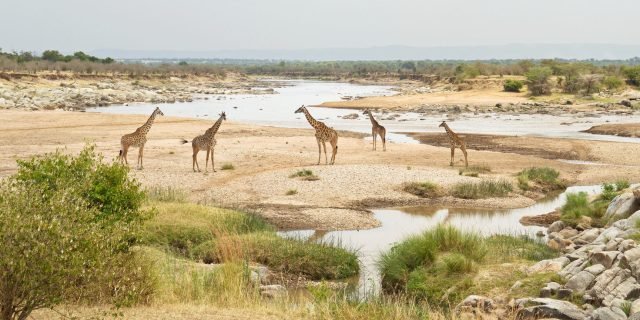
Nyerere National Park, formerly known as Selous Game Reserve, is one of the largest protected wildlife areas in Africa and a gem of Tanzania's natural heritage. Named after Julius Kambarage Nyerere, Tanzania’s first president, the park is renowned for its biodiversity, vast wilderness, and commitment to conservation. It is located in the southeastern part of Tanzania, primarily within th...

Nyerere National Park, formerly known as Selous Game Reserve, is one of the largest protected wildlife areas in Africa and a gem of Tanzania's natural heritage. Named after Julius Kambarage Nyerere, Tanzania’s first president, the park is renowned for its biodiversity, vast wilderness, and commitment to conservation. It is located in the southeastern part of Tanzania, primarily within the southern circuit of the country's national parks.
Country
Tanzania flag Tanzania
Safaris
82 packages
When to Visit
Dry Season (June to October): This is considered the best time to visit the park, as animals congregate around water sources, making wildlife sightings easier.
Wet Season (November to May): While the park remains accessible during the wet season, it becomes lush and green, offering a different kind of experience, particularly for bird watchers and those interested in the park's landscapes.
Peak season
Shoulder season
Wet / off-season
Wildlife
Elephants

The park has one of the largest populations of elephants in Africa, with a notable number of herds roaming the park.

Lions

The park is also a stronghold for lions, and sightings of these majestic predators are common.

African Wild Dogs

Nyerere supports one of the last remaining populations of African wild dogs, which are highly endangered.

Hippos and Crocodiles

The Rufiji River provides a habitat for many hippos and Nile crocodiles, often seen basking along the banks.

Buffaloes and Antelopes

The park is home to large herds of buffalo and several species of antelopes, including the roan and sable.

Birds

Over 400 bird species inhabit the park, making it a prime destination for birdwatching, especially around the river and wetland areas.

Safari Packages View all
Get There
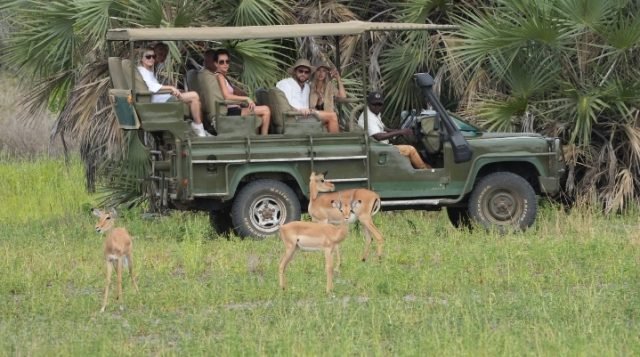
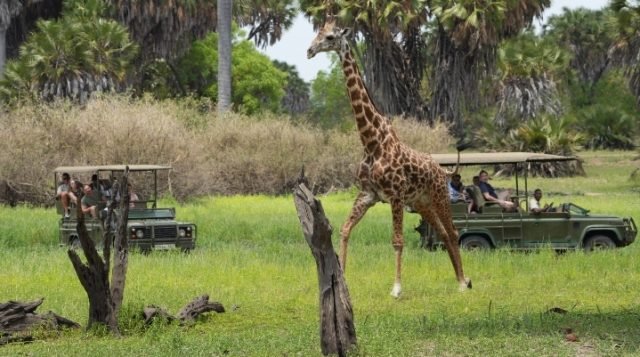
  Nyerere National Park is relatively remote, and reaching it requires some travel logistics. The nearest town is Tanzania's coastal town of Dar es Salaam, about a 5-hour drive away. Visitors can also fly directly into the park from Dar es Salaam via scheduled flights or private charters. The park is equipped with a variety of accommodations, ranging from luxury lodges to tented camps, providing a range of options for visitors seeking different experiences.   While infrastructure has improved since the park's transformation into a national park, its remoteness still makes it a destination for those looking for an authentic and less crowded safari experience.
Plan My Trip to Nyerere (Selous) National Park
Size and Geography


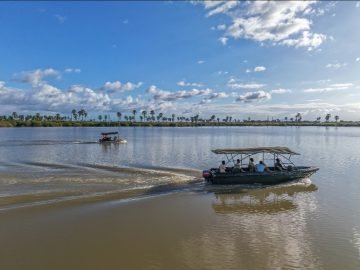
Nyerere National Park spans an impressive 30,893 square kilometers (11,600 square miles), making it Tanzania's largest national park and one of the largest game reserves in the world. It is situated along the Rufiji River and includes diverse landscapes such as dense woodlands, riverine forests, wetlands, and grasslands. The park is bordered by the Selous Game Reserve to the north, the Indian Ocean to the southeast, and the vast wetlands of the Rufiji River to the southwest. The river itself is a critical water source that sustains much of the park’s wildlife.

Conservation Efforts


Nyerere National Park, which was formerly a game reserve, has seen increased efforts to safeguard its wildlife and protect its ecosystems. After being designated as a national park in 2019, conservation efforts have intensified, with the government of Tanzania, in collaboration with various NGOs, working to combat poaching and illegal wildlife trade. The park's elephant population, in particular, has been the focus of intense anti-poaching initiatives.


As part of its conservation efforts, the park is also involved in the monitoring of endangered species, including African wild dogs and rhinos, as well as habitat restoration projects to ensure that the ecosystems remain healthy and sustainable for future generations.

Cultural Significance


Nyerere National Park lies within the historical region of the Selous, which has long been home to various ethnic groups such as the Makonde and the Ngindo people. These communities have deep ties to the land and have historically coexisted with the wildlife in the area. The park’s new status as a national park has spurred more initiatives to involve local communities in tourism and conservation efforts, including eco-tourism ventures, cultural tourism, and employment opportunities within the park.


Additionally, the history of the area, including its past as a hunting reserve, has contributed to a rich heritage that blends wildlife conservation with human history.

Challenges and Future Outlook


Despite the successes in conservation, Nyerere National Park faces challenges, particularly in terms of poaching, illegal fishing, and encroachment on its borders. Ensuring that the park remains protected while balancing tourism development is a critical issue. However, ongoing efforts from the government, NGOs, and local communities are essential in ensuring that the park's rich biodiversity is preserved for future generations.

Editor's Review
  Nyerere (Selous) National Park is a quintessential African wilderness, offering visitors a chance to experience the diverse ecosystems, rich wildlife, and remote beauty that Tanzania has to offer. Whether it’s the expansive landscapes, exceptional wildlife, or unique safari opportunities, Nyerere remains one of the most important and awe-inspiring parks in Africa.