Home › Parks & Destinations › Uganda flag Uganda › Queen Elizabeth National Park

Queen Elizabeth National Park

Uganda flag Uganda 32 Safaris 11 Operators
Location Uganda flag Uganda
Park Type —
Safari Packages 32
Verified Operators 11
About Queen Elizabeth National Park

Queen Elizabeth National Park (QENP) is Uganda’s most visited and diverse national park, covering approximately 1,978 square kilometers in the western region of the country. Established in 1952, the park is named after Queen Elizabeth II and is renowned for its breathtaking landscapes, abundant wildlife, and diverse ecosystems, including savannah, wetlands, forests, and lakes. It is part of...

Queen Elizabeth National Park (QENP) is Uganda’s most visited and diverse national park, covering approximately 1,978 square kilometers in the western region of the country. Established in 1952, the park is named after Queen Elizabeth II and is renowned for its breathtaking landscapes, abundant wildlife, and diverse ecosystems, including savannah, wetlands, forests, and lakes. It is part of the larger Albertine Rift and is a UNESCO Biosphere Reserve, making it an important conservation area.


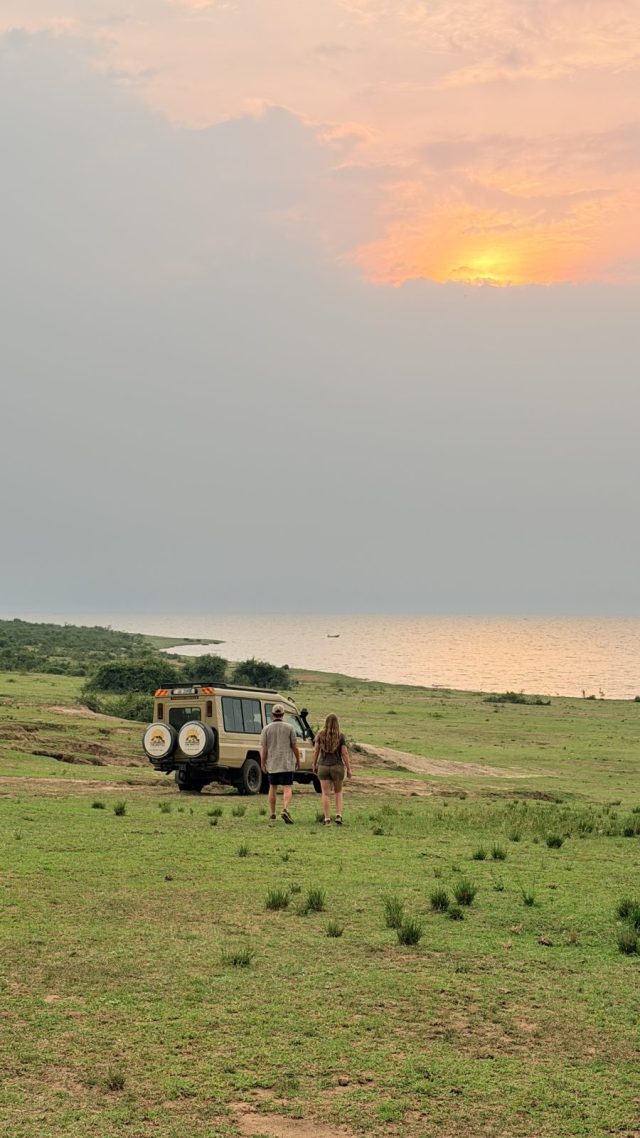
The park is famous for its incredible biodiversity, offering a mix of wildlife safaris, boat cruises, and bird-watching excursions. With its unique features such as the Kazinga Channel, the Kyambura Gorge, and the Ishasha sector (known for tree-climbing lions), Queen Elizabeth National Park remains a must-visit destination for nature enthusiasts and adventurers.

 

Country
Uganda flag Uganda
Safaris
32 packages
When to Visit
Dry Season (June - September & December - February): Best for game viewing as animals gather around water sources.
Wet Season (March - May & October - November): Ideal for birdwatching and lush scenery, but roads may be difficult to navigate.
Peak season
Shoulder season
Wet / off-season
Wildlife
Big Cats

Lions (including the rare tree-climbing lions of Ishasha), leopards, and serval cats.

Large Mammals

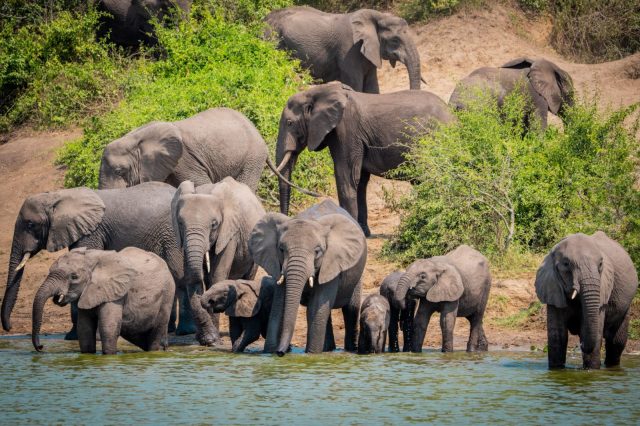
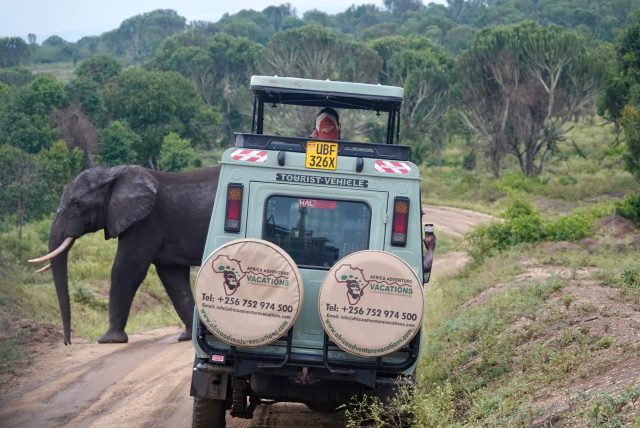
African elephants, buffaloes, hippos, warthogs, and waterbucks.

Primates

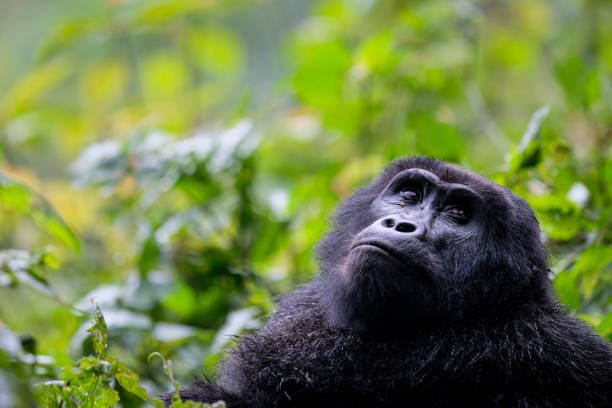
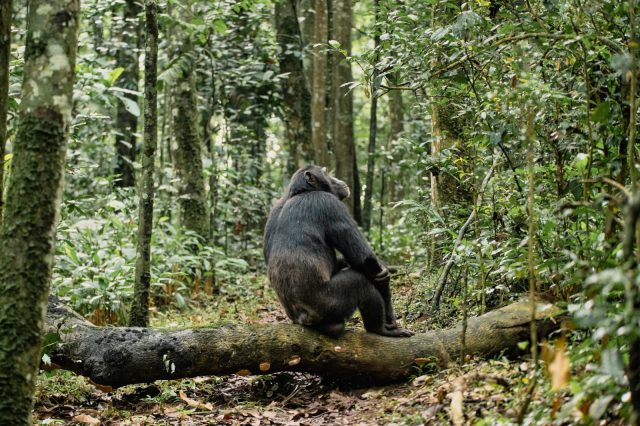
Chimpanzees in the Kyambura Gorge, black-and-white colobus monkeys, vervet monkeys, and olive baboons.

Antelopes

Uganda kob, topi, sitatunga, and bushbucks.

Other Notable Species

Hyenas, crocodiles, giant forest hogs, and pangolins.

Safari Packages View all
Health
  To ensure a safe and enjoyable experience at Queen Elizabeth National Park, consider the following:   Health Precautions:   Malaria Prevention: Take anti-malarial medication and use mosquito repellent. Vaccinations: Yellow fever vaccination is required; others recommended include hepatitis A & B, typhoid, and rabies. Drinking Water: Avoid drinking untreated water; bottled or purified water is advisable.   Safety Tips:   Always follow the guidance of park rangers during safaris and nature walks. Avoid walking alone at night as wild animals roam freely. Wear neutral-colored clothing and avoid making loud noises to minimize disturbing the animals.
Safety
  To ensure a safe and enjoyable experience at Queen Elizabeth National Park, consider the following:   Health Precautions:   Malaria Prevention: Take anti-malarial medication and use mosquito repellent. Vaccinations: Yellow fever vaccination is required; others recommended include hepatitis A & B, typhoid, and rabies. Drinking Water: Avoid drinking untreated water; bottled or purified water is advisable.   Safety Tips:   Always follow the guidance of park rangers during safaris and nature walks. Avoid walking alone at night as wild animals roam freely. Wear neutral-colored clothing and avoid making loud noises to minimize disturbing the animals.
Get There
  Queen Elizabeth National Park is accessible by both road and air:   By Road: From Kampala to the park (approximately 6-7 hours drive, 400km). From Entebbe International Airport, travelers can hire private transport or use guided tours. From Bwindi Impenetrable Forest (3-4 hours drive) for those combining gorilla trekking with a wildlife safari. By Air: Domestic flights are available from Entebbe International Airport to Kasese Airstrip, followed by a short drive to the park.
Plan My Trip to Queen Elizabeth National Park
Frequently Asked Questions


1. What is the entrance fee to Queen Elizabeth National Park?

Fees vary for foreign non-residents, residents, and East African citizens. Check the Uganda Wildlife Authority (UWA) website for the latest fees.

2. What activities can I do in the park?

  • Game drives
  • Boat cruises along the Kazinga Channel
  • Chimpanzee tracking in Kyambura Gorge
  • Birdwatching
  • Nature walks and hiking
  • Cultural encounters with local communities

3. Are there accommodations inside the park?

Yes, options range from budget campsites to luxury lodges, including Mweya Safari Lodge, Ishasha Wilderness Camp, and Park View Safari Lodge.

4. Can I see the Big Five in Queen Elizabeth National Park?

While the park has lions, leopards, elephants, and buffaloes, rhinos are absent. However, visitors can see rhinos at Ziwa Rhino Sanctuary en route from Kampala.

5. Is the park suitable for family visits?

Yes, the park offers family-friendly accommodations and activities such as boat cruises and nature walks that are suitable for children.

Still have questions?
Our safari specialists respond within 24 hours.
Ask an Expert
Birds


Queen Elizabeth National Park is a paradise for bird lovers, with over 600 recorded bird species, making it one of the best birding destinations in Africa. Some of the most sought-after bird species include:


  • Water Birds: African fish eagle, shoebill stork, great white pelican, yellow-billed stork, and pink-backed pelican.
  • Forest Birds: African green broadbill, black bee-eater, and crowned eagle.
  • Savannah Birds: Grey-crowned crane (Uganda’s national bird), secretary bird, and helmeted guineafowl.
  • Migratory Birds: European roller, lesser flamingos, and African skimmer.


The Kazinga Channel, Mweya Peninsula, and Maramagambo Forest are some of the best locations for birdwatching.


Weather & Climate


The park experiences a tropical climate with two distinct seasons:


  • Dry Season: Temperatures range between 25-30°C (77-86°F) during the day and 15-17°C (59-63°F) at night.
  • Wet Season: Higher humidity with more rainfall, making the landscape greener but with muddy trails.
FAQs


1. What is the entrance fee to Queen Elizabeth National Park?

Fees vary for foreign non-residents, residents, and East African citizens. Check the Uganda Wildlife Authority (UWA) website for the latest fees.

2. What activities can I do in the park?

  • Game drives
  • Boat cruises along the Kazinga Channel
  • Chimpanzee tracking in Kyambura Gorge
  • Birdwatching
  • Nature walks and hiking
  • Cultural encounters with local communities

3. Are there accommodations inside the park?

Yes, options range from budget campsites to luxury lodges, including Mweya Safari Lodge, Ishasha Wilderness Camp, and Park View Safari Lodge.

4. Can I see the Big Five in Queen Elizabeth National Park?

While the park has lions, leopards, elephants, and buffaloes, rhinos are absent. However, visitors can see rhinos at Ziwa Rhino Sanctuary en route from Kampala.

5. Is the park suitable for family visits?

Yes, the park offers family-friendly accommodations and activities such as boat cruises and nature walks that are suitable for children.


Queen Elizabeth National Park is an exceptional destination that showcases Uganda’s rich biodiversity. Whether you're interested in wildlife safaris, birdwatching, or cultural experiences, the park offers something for every traveler. With proper planning, a visit to this iconic park guarantees unforgettable experiences in the heart of Africa.