Home Destinations Ethiopia flag Ethiopia
Safari Destination

Ethiopia flag Ethiopia

The Land of Origins

Best: October to March (Dry season, ideal for sightseeing and wildlife) 9 Parks 13 Operators Amharic (official), Oromo, Tigrigna, Somali, and over 80 other languages
Best Season October to March (Dry season, ideal for sightseeing and wildlife)
Safari Packages 31
Verified Operators 13
Parks & Reserves 9
About Ethiopia flag Ethiopia

Ethiopia, often referred to as the "Land of Origins," is one of the most historically and culturally rich countries in Africa. It is the only African nation that was never colonized, preserving its ancient traditions and deep-rooted identity. With diverse landscapes, vibrant ethnic groups, and a fascinating history, Ethiopia offers an unforgettable travel experience.

Capital
Addis Ababa
Currency
Ethiopian Birr (ETB)
Time Zone
East Africa Time (EAT, UTC+3)
Languages
Amharic (official), Oromo, Tigrigna, Somali, and over 80 other languages
Best Time
October to March (Dry season, ideal for sightseeing and wildlife)
Price Range
$200 – $1,500+ per person per day (depending on the park, accommodation, and duration)
Operators
13 vetted operators
Parks
9 parks & reserves
Safaris
31 packages listed
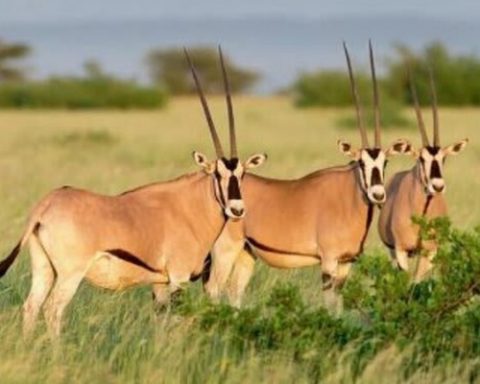
Ethiopia scenery Ethiopia scenery Ethiopia scenery
When to Visit
Recommended: October to March (Dry season, ideal for sightseeing and wildlife)

October to March: Dry season, best for sightseeing and trekking. April to September: Rainy season, but landscapes are lush and green.

Season 1

October to March: Dry season, best for sightseeing and trekking. April to September: Rainy season, but landscapes are lush and green.

Top Parks & Reserves View all
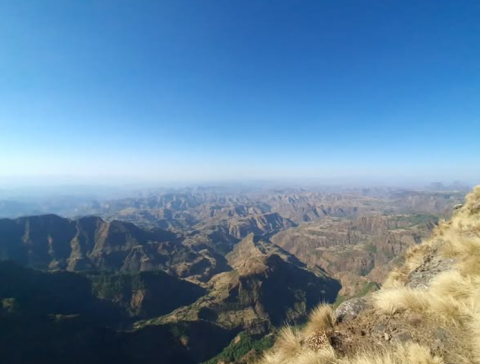
Simien Mountains National Park

Simien Mountains National Park

Simien Mountains National Park, located in the northern highlands of Ethiopia, is a U...

Ethiopia flag Ethiopia
View Details
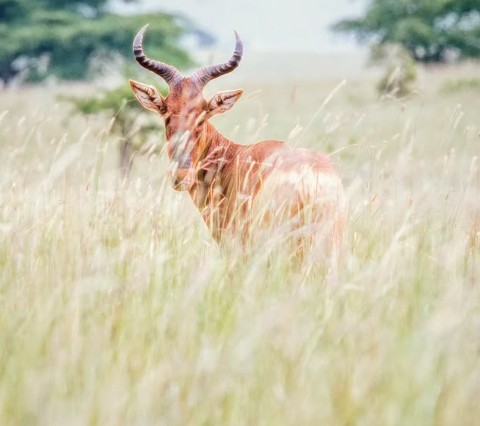
Senkele Swayne’s Hartebeest Sanctuary

Senkele Swayne’s Hartebeest Sanctuary

Senkele Swayne’s Hartebeest Sanctuary is a protected wildlife reserve located i...

Ethiopia flag Ethiopia
View Details
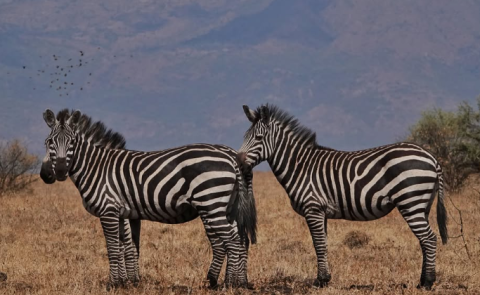
Nechisar National Park

Nechisar National Park

Nechisar National Park, located in the southern part of Ethiopia, is a stunning wildl...

Ethiopia flag Ethiopia
View Details
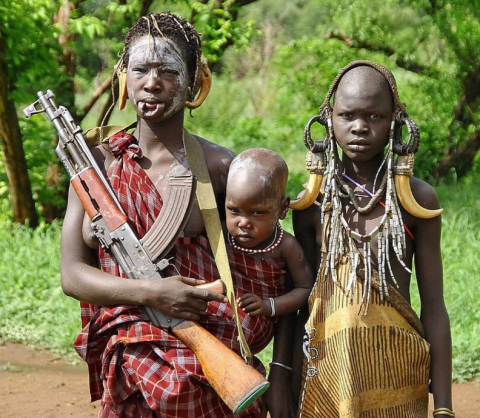
Mago National Park

Mago National Park

Mago National Park is located in the southwestern part of Ethiopia, near the border w...

Ethiopia flag Ethiopia
View Details
Lake Ziway

Lake Ziway

Lake Ziway, located in the central part of Ethiopia, is one of the country's larg...

Ethiopia flag Ethiopia
View Details
Chebera-Churchura National Park

Chebera-Churchura National Park

Chebera-Churchura National Park, located in the southern part of Ethiopia, is a haven...

Ethiopia flag Ethiopia
View Details
Wildlife

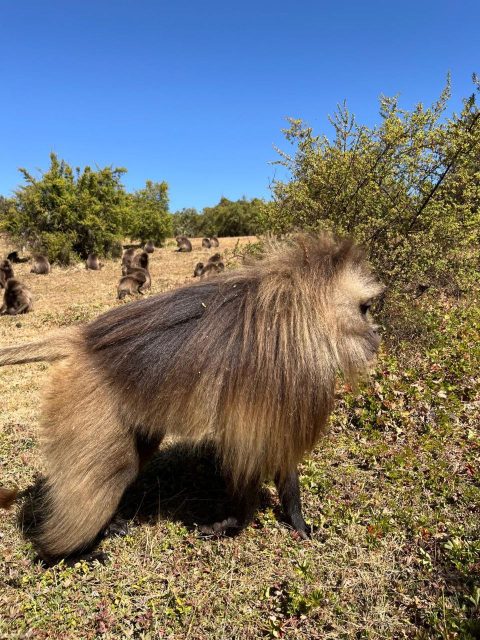
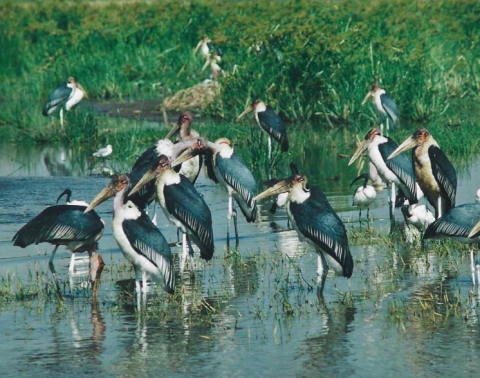
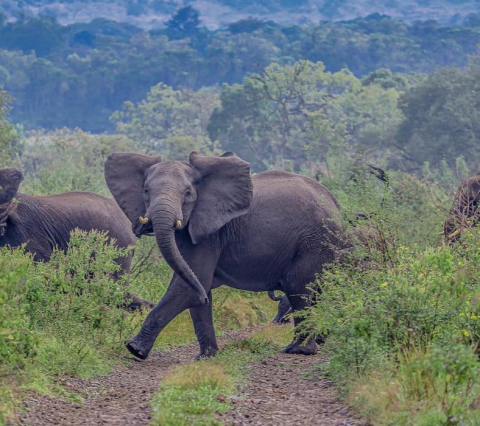
Simien Mountains National Park: Home to rare animals like the Gelada baboon, Ethiopian wolf, and Walia ibex. Home to rare animals like the Gelada baboon, Ethiopian wolf, and Walia ibex. Bale Mountains National Park: One of Africa’s best places to spot the endangered Ethiopian wolf. One of Africa’s best places to spot the endangered Ethiopian wolf. Danakil Depression: A surreal, otherworldly landscape with salt flats, lava lakes, and sulfur springs. A surreal, otherworldly landscape with salt flats, lava lakes, and sulfur springs. Rift Valley Lakes: Great for birdwatching and relaxing by the water. Great for birdwatching and relaxing by the water.

Activities

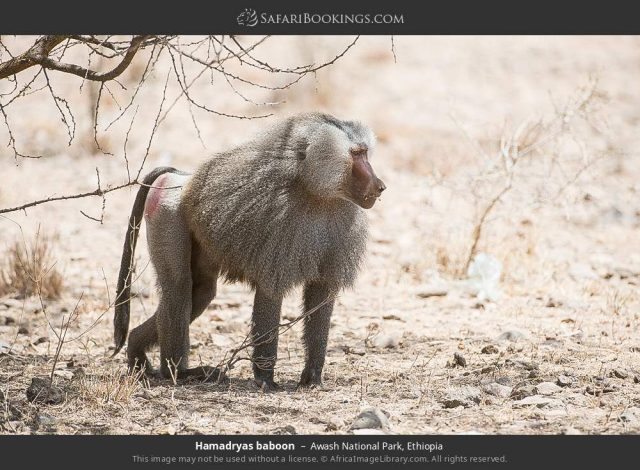
Unlike traditional safaris in Kenya and Tanzania, Ethiopia offers a unique mix of wildlife and cultural safaris: Omo Valley Tribes: Meet indigenous groups like the Hamar, Mursi, and Karo, known for their body painting and lip plates. Meet indigenous groups like the Hamar, Mursi, and Karo, known for their body painting and lip plates. Awash National Park: Home to hippos, crocodiles, and rare birds. Home to hippos, crocodiles, and rare birds.

Request Custom Itinerary
Safari Packages View all
Top-Rated Operators View all
Safety
Malaria precautions are needed for lowland areas. Tap water is not safe to drink—bottled water is recommended.
Health
Malaria precautions are needed for lowland areas. Tap water is not safe to drink—bottled water is recommended.
Get There
Domestic flights (Ethiopian Airlines) are the best way to travel long distances. Buses and minivans are available but can be slow.
Plan My Trip to Ethiopia flag Ethiopia
Ethiopia: The Land of Origins – A Deep Dive

Ethiopia, often referred to as the "Land of Origins," is one of the most historically and culturally rich countries in Africa. It is the only African nation that was never colonized, preserving its ancient traditions and deep-rooted identity. With diverse landscapes, vibrant ethnic groups, and a fascinating history, Ethiopia offers an unforgettable travel experience.

Major Geographical Features:

Ethiopian Highlands: A rugged and mountainous region, home to the Simien and Bale Mountains. Great Rift Valley: A series of lakes, hot springs, and escarpments running through Ethiopia. Danakil Depression: One of the hottest and most extreme environments on Earth, with colorful sulfur springs and active volcanoes. Lake Tana: The largest lake in Ethiopia and the source of the Blue Nile River.

History & Ancient Civilizations

Ethiopia's history stretches back thousands of years, making it one of the world's oldest civilizations.

Key Historical Periods & Events

Prehistoric Ethiopia: Ethiopia is often called the "Cradle of Humanity." The famous fossilized hominid "Lucy" (Australopithecus afarensis) was discovered here, dating back 3.2 million years. Ethiopia is often called the "Cradle of Humanity." The famous fossilized hominid "Lucy" (Australopithecus afarensis) was discovered here, dating back 3.2 million years. The Kingdom of D’mt (10th century BCE – 5th century BCE): An early civilization known for its advanced agriculture and trade with South Arabia. An early civilization known for its advanced agriculture and trade with South Arabia. The Axumite Empire (1st century CE – 7th century CE): One of the great ancient African civilizations, Axum was a major trading empire that controlled Red Sea trade routes. The famous Obelisks of Axum and the legend of the Ark of the Covenant are linked to this period. One of the great ancient African civilizations, Axum was a major trading empire that controlled Red Sea trade routes. The famous Obelisks of Axum and the legend of the Ark of the Covenant are linked to this period. The Zagwe Dynasty (12th–13th century): Known for the construction of the stunning rock-hewn churches of Lalibela, which were carved from solid rock. Known for the construction of the stunning rock-hewn churches of Lalibela, which were carved from solid rock. The Solomonic Dynasty (1270–1974): Claimed descent from the biblical King Solomon and the Queen of Sheba. Emperor Haile Selassie, the last emperor of Ethiopia, ruled until the monarchy was abolished in 1974. Claimed descent from the biblical King Solomon and the Queen of Sheba. Emperor Haile Selassie, the last emperor of Ethiopia, ruled until the monarchy was abolished in 1974.

Culture & People

Ethiopia is one of the most ethnically diverse nations in the world, with over 80 ethnic groups and more than 90 languages spoken.

Major Ethnic Groups:

Oromo (34%) – The largest ethnic group, known for their rich traditions and Gadaa governance system. Amhara (27%) – Historically significant, associated with the Solomonic dynasty and Amharic language. Tigray (6%) – The historical rulers of the Axumite Empire. Somali, Sidama, Gurage, and others – Each group has its own distinct traditions and languages.

Languages:

Amharic (Official language) – Written in the unique Ge'ez script. Oromo, Tigrigna, Somali, and over 80 other languages are spoken across the country.

Religion:

Christianity (Orthodox Christianity – 44%) – The Ethiopian Orthodox Church is one of the world’s oldest Christian denominations. Islam (34%) – Ethiopia has one of the earliest Islamic settlements in Harar. Traditional Animist Beliefs (10%) – Practiced mainly by indigenous groups in the Omo Valley.

A. Historical & Cultural Sites

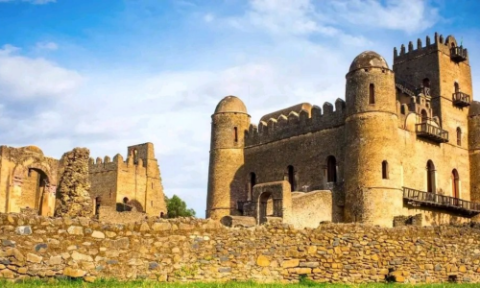
Lalibela Rock-Hewn Churches: A UNESCO World Heritage site, home to 11 medieval churches carved into rock, built to resemble Jerusalem. A UNESCO World Heritage site, home to 11 medieval churches carved into rock, built to resemble Jerusalem. Axum: Ancient ruins, towering obelisks, and legends of the Ark of the Covenant being hidden in the Church of St. Mary of Zion. Ancient ruins, towering obelisks, and legends of the Ark of the Covenant being hidden in the Church of St. Mary of Zion. Gondar: The "Camelot of Africa," famous for its 17th-century castles and royal baths. The "Camelot of Africa," famous for its 17th-century castles and royal baths. Harar: A walled Islamic city with over 82 mosques and the unique hyena feeding ritual. A walled Islamic city with over 82 mosques and the unique hyena feeding ritual.

Traditional Ethiopian Dishes

Injera: A spongy sourdough flatbread, the staple of Ethiopian meals. Doro Wat: A spicy chicken stew with boiled eggs. Kitfo: Minced raw beef, often served with spiced butter. Shiro: A vegetarian stew made from chickpea or lentil flour.

Ethiopian Coffee Culture

Ethiopia is the birthplace of coffee, and coffee ceremonies are an essential part of daily life. The coffee is traditionally brewed in a clay pot called a jebena and served with popcorn or roasted barley.

Visa Requirements

Most travelers can obtain a visa on arrival or apply online for an e-visa.

Why Visit Ethiopia?

Rich history with ancient civilizations and stunning UNESCO sites. Diverse cultures and unique traditions unlike anywhere else in Africa. Spectacular landscapes, from mountains to deserts and lush valleys. Unforgettable wildlife and safari experiences. Authentic food and coffee culture at the birthplace of coffee.

Traveler Reviews

No reviews yet — be the first to share your Ethiopia experience.

Write a review