Home › Parks & Destinations › Rwanda flag Rwanda › Nyungwe National Park

Nyungwe National Park

Rwanda flag Rwanda 2 Safaris 1 Operators
Location Rwanda flag Rwanda
Safari Packages 2
Verified Operators 1
About Nyungwe National Park

Nyungwe National Park is one of Africa’s oldest and most biodiverse rainforests, located in southwestern Rwanda. Spanning over 1,020 square kilometers, it is renowned for its breathtaking landscapes, ancient montane forests, and rich biodiversity. The park is an ecological hotspot, offering visitors a mix of adventure, wildlife encounters, and cultural experiences. Nyungwe is best known for...

Nyungwe National Park is one of Africa’s oldest and most biodiverse rainforests, located in southwestern Rwanda. Spanning over 1,020 square kilometers, it is renowned for its breathtaking landscapes, ancient montane forests, and rich biodiversity. The park is an ecological hotspot, offering visitors a mix of adventure, wildlife encounters, and cultural experiences.

Nyungwe is best known for its canopy walkway, chimpanzee trekking, and primate diversity, making it one of the most exciting destinations in Rwanda. It also serves as a vital water catchment area, feeding the Nile and Congo River basins.

Country
Rwanda flag Rwanda
Safaris
2 packages
When to Visit
Best for Chimpanzee Trekking: June to October & December to February (drier months, better trails, and easier tracking).
Best for Birdwatching: October to May (when migratory birds are present, and many species are nesting).
Best for Hiking & Canopy Walk: June to September (less rain, more stable trails).
Peak season
Shoulder season
Wet / off-season
Wildlife
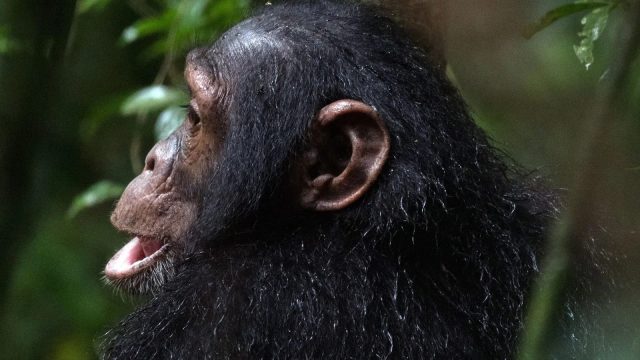
Chimpanzees – Over 500 individuals, making it a prime destination for chimp trekking.
Ruwenzori colobus monkeys – Often seen in large troops of up to 300 individuals.
L'Hoest’s monkeys – A rare and endemic species commonly found in Nyungwe.
Blue monkeys, Golden monkeys, Vervet monkeys, and Olive baboons.
Leopards – Though rarely seen, they roam the deeper forest regions.
Serval cats and side

striped jackals.

Duikers – Including yellow

backed duikers and red duikers.

Bush pigs and forest elephants – Present but elusive.
Activities
Canopy Walkway – A 70m
Tea Plantation Tours – Learn about Rwandan tea production at Gisakura.
Hiking Trails – Over 15 trails such as Igishigishigi, Bigugu, and Kamiranzovu swamp trail.
Cultural Experiences – Visit nearby communities for Rwandan traditions and local crafts.
Request Custom Itinerary
Safari Packages View all
Health


Nyungwe National Park is generally safe, but visitors should consider the following precautions:


Health Considerations


  • Malaria prevention – Though the park’s altitude lowers malaria risk, carry anti-malarial medication.
  • Yellow fever vaccination – Required for entry into Rwanda.
  • COVID-19 precautions – Follow Rwanda’s latest health guidelines.
  • Hiking safety – Trails can be slippery; proper trekking boots are essential.


General Safety


  • Park guides must accompany all treks and activities.
  • Wildlife encounters – Maintain a safe distance from primates and avoid feeding them.
  • Weather precautions – Rain can make trails muddy; carry rain gear.


The park is well-monitored, and rangers ensure visitor safety.

Safety


Nyungwe National Park is generally safe, but visitors should consider the following precautions:


Health Considerations


  • Malaria prevention – Though the park’s altitude lowers malaria risk, carry anti-malarial medication.
  • Yellow fever vaccination – Required for entry into Rwanda.
  • COVID-19 precautions – Follow Rwanda’s latest health guidelines.
  • Hiking safety – Trails can be slippery; proper trekking boots are essential.


General Safety


  • Park guides must accompany all treks and activities.
  • Wildlife encounters – Maintain a safe distance from primates and avoid feeding them.
  • Weather precautions – Rain can make trails muddy; carry rain gear.


The park is well-monitored, and rangers ensure visitor safety.

Get There


Nyungwe National Park is accessible from Kigali, Rwanda’s capital.


By Road

  • Kigali to Nyungwe: ~5-6 hours by car (225 km).
  • The road is well-paved via Huye and Rusizi, offering scenic views.
  • Public buses travel to nearby towns (Huye or Rusizi), but a private car or tour operator is recommended for direct access.

By Air

  • Kamembe Airport (Cyangugu): The nearest airport, about 1 hour from Nyungwe.
  • Domestic flights are available from Kigali via RwandAir.

Once at the park, most activities require a 4x4 vehicle for navigating forest roads.


Plan My Trip to Nyungwe National Park
Frequently Asked Questions


1. What is the main attraction in Nyungwe National Park?

The main attractions include chimpanzee trekking, the canopy walkway, birdwatching, and scenic hiking trails.

2. How much does chimpanzee trekking cost?

Chimpanzee trekking permits cost $90 per person for foreign visitors and RWF 10,000 for Rwandans.

3. Is it possible to see gorillas in Nyungwe?

No, mountain gorillas are not found in Nyungwe. For gorilla trekking, visit Volcanoes National Park in Rwanda.

4. What should I wear for a visit to Nyungwe?

  • Long-sleeved shirts and trousers (for protection).
  • Waterproof hiking boots.
  • Rain jacket and hat.
  • Binoculars (for birdwatching).

5. Are there accommodations inside the park?

Yes, options range from luxury lodges (One&Only Nyungwe House) to mid-range and budget guesthouses near Gisakura.

6. How difficult is chimpanzee trekking?

Moderate to challenging, depending on where the chimps are located. Good fitness levels are recommended.

7. Can I visit Nyungwe in a day trip?

It’s possible but not ideal. A 2-3 day stay is recommended to fully experience the park.

Still have questions?
Our safari specialists respond within 24 hours.
Ask an Expert
Birds


Nyungwe National Park is a paradise for birdwatchers, boasting over 322 bird species, with 29 being Albertine Rift endemics. Some of the most sought-after species include:


  • Great blue turaco – A large and colorful bird, easily spotted.
  • Rwenzori turaco – An Albertine Rift endemic.
  • Grauer’s swamp warbler – A rare species found in swampy areas.
  • Kivu ground thrush – Only found in the Nyungwe region.
  • Regal sunbird & Purple-breasted sunbird – Beautiful and vibrant species.

Birdwatching can be done throughout the park, with key areas being Gisakura, Uwinka, and Bigugu trail.

Weather & Climate


Nyungwe National Park has a cool and wet climate due to its elevation, ranging between 1,600m - 2,950m above sea level.


Temperature

  • Daytime: 15°C - 25°C (59°F - 77°F).
  • Nighttime: Can drop to 10°C (50°F) or lower in the higher altitudes.

Rainfall

  • Rainy Seasons: March - May & September - December (heavy rainfall, muddy trails).
  • Dry Seasons: June - August & January - February (less rain, better hiking conditions).

Humidity is consistently high, often above 75%, contributing to misty conditions.


FAQs


1. What is the main attraction in Nyungwe National Park?

The main attractions include chimpanzee trekking, the canopy walkway, birdwatching, and scenic hiking trails.

2. How much does chimpanzee trekking cost?

Chimpanzee trekking permits cost $90 per person for foreign visitors and RWF 10,000 for Rwandans.

3. Is it possible to see gorillas in Nyungwe?

No, mountain gorillas are not found in Nyungwe. For gorilla trekking, visit Volcanoes National Park in Rwanda.

4. What should I wear for a visit to Nyungwe?

  • Long-sleeved shirts and trousers (for protection).
  • Waterproof hiking boots.
  • Rain jacket and hat.
  • Binoculars (for birdwatching).

5. Are there accommodations inside the park?

Yes, options range from luxury lodges (One&Only Nyungwe House) to mid-range and budget guesthouses near Gisakura.

6. How difficult is chimpanzee trekking?

Moderate to challenging, depending on where the chimps are located. Good fitness levels are recommended.

7. Can I visit Nyungwe in a day trip?

It’s possible but not ideal. A 2-3 day stay is recommended to fully experience the park.

My wishlist 0 saved View all