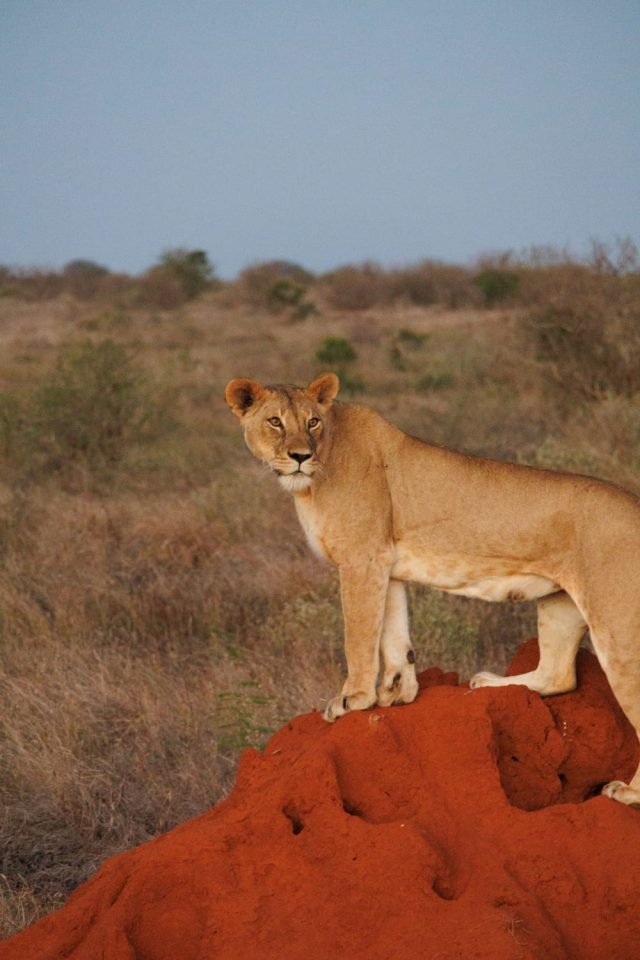
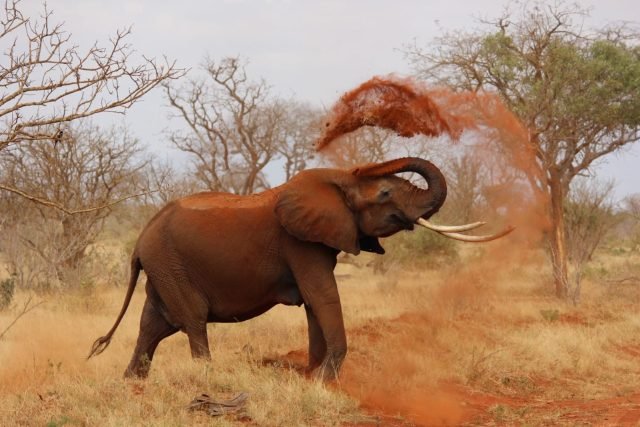
1. What animals can I expect to see in the sanctuary?
- You can see elephants, lions, giraffes, buffaloes, zebras, and a variety of antelope species. There are also leopards, though they are harder to spot.
2. Is the sanctuary safe for tourists?
- Yes, the sanctuary is generally safe for tourists. It is essential to follow safety guidelines, stay in vehicles, and be accompanied by a guide.
3. What is the best time for birdwatching?
- The best time for birdwatching is during the wet season (November to April), as this is when many migratory birds visit the sanctuary.
4. Can I stay overnight at the sanctuary?
- Yes, there are lodges and tented camps available for overnight stays, offering comfortable accommodations with scenic views of the sanctuary.
5. Do I need a guide to visit the sanctuary?
- While it’s possible to visit the sanctuary without a guide, it is highly recommended to hire one for a safer and more enriching experience. Guides offer expert knowledge of the wildlife and the environment.
6. Can I self-drive through the sanctuary?
- Self-driving is allowed in some areas, but a 4x4 vehicle is recommended due to the sometimes rough terrain. It’s safer and more rewarding to travel with a guide.
7. Are there any cultural experiences available nearby?
- Yes, visitors can explore local Taita cultural experiences, such as visiting traditional villages and learning about the community’s rich heritage.
8. Is there an entry fee to the sanctuary?
- Yes, there is an entrance fee to the sanctuary, and fees vary depending on whether you are a local or international visitor. Always check with the sanctuary authorities for the latest rates.
Taita Hills Wildlife Sanctuary offers an exceptional wildlife and nature experience, making it an ideal destination for eco-tourists and nature lovers alike. Whether you're looking to explore the unique flora and fauna, indulge in birdwatching, or simply take in the stunning scenery, the sanctuary promises a memorable adventure.